August Full Sturgeon Moon

Lunar Lammas

August gifts us two super full moons. August 1 is the Sturgeon Moon that rises in the sign of Aquarius. Traditionally, sturgeon could be caught in the Great Lakes and Lake Champlain at this time of year.

This is the time to connect with your deeper self. As sturgeon rise, so do our hidden feelings, emotions and memories. “Late summer days invite us to deepen and renew. Something becomes unlocked, unloosed in our tender hearts and lifts off howling in gratitude for what it needs to thrive.”

“If our inner sea monsters are coming to the surface now, let’s greet them with kindness and listen for what they may have to teach us, rather than trying to force them back down into the dark. This doesn’t have to be a struggle. We can allow this time of stirring up to be medicinal.”

August 1 is Lammas Day, or Loaf Mass Day, in some English-speaking countries. It marks the beginning of the harvest. The name comes from the ancient English festival the Gule of August, a pagan dedication of the first fruits that the early English church later converted to Christian usage. On Lammas Day, loaves of bread were baked from the first-ripened grain and brought to the churches to be consecrated. To the Celts, this was Lughnasaid, the feast of the wedding of the Sun god and the Earth goddess, and also a harvest festival.

Take time to connect, with the season, with your inner self, and look up. Sister Moon is there for all of us.

Fossilicious

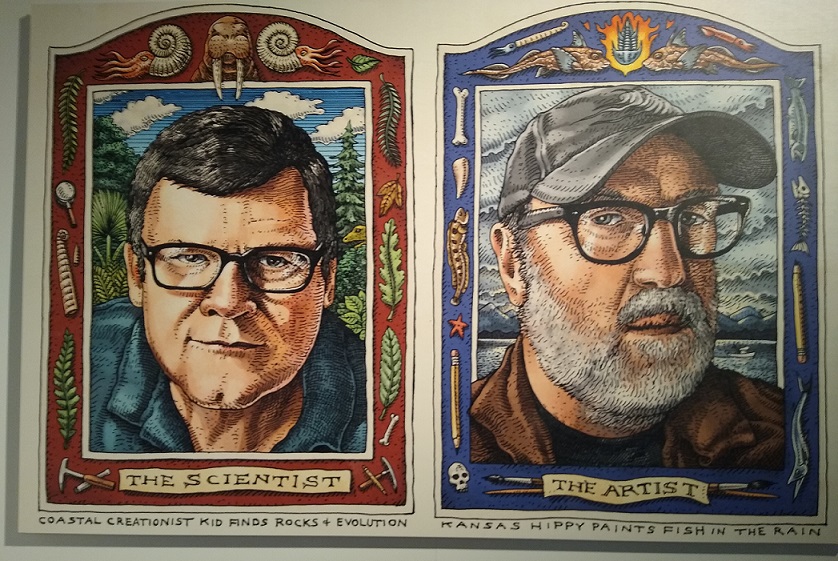
What happens when art and science collide? It’s not always a trainwreck.  In some cases it’s more like a delicious union, especially when artist Ray Troll and his buddy paleontologist Kirk Johnson get together. Johnson is the head of the Smithsonian’s National Museum of Natural History, while Troll is a noted artist, fossil fan and conservationist who lives, fishes, and makes art and music in Alaska.

Detail of one of Troll’s illustrations, showing Washington state’s fossil map

I had heard Johnson speak at the University of Washington and seen him on some PBS programs and had become a fan. Last year I became a fan of Troll as well, when I attended a benefit for a conservation organization where he was a speaker. It was then that I first saw his artwork and learned of his enthusiasm for fish, fossils and the earth.

One of the museum’s impressive displays, combining a fossil with its illustration and a projected image

The pair have known each other for more than 20 years, traveling far and wide hunting for fossils. They previously collaborated on a book, Cruisin’ the Fossil Freeway, focusing on the west.

The latest is the sequel, Cruisin’ the Fossil Coastline, chronicling their adventures from coastal California to Alaska in search of mind-blowing fossils.

Gems of artwork and fossils representing their 10-year coastline journey are now on view at the University of Washington’s Burke Museum.

The exhibit of the same name features Troll’s magnificent artwork, Johnson’s expertise and some actual fossils. Troll’s knack for showing creatures both realistically and with a healthy dose of cartoon-like humor is on full view.

The artist and the scientist have come together to create a journey through time that will appeal to all ages.

The Burke recently reopened, with strict protocols. I visited the day after it opened and expected to find a fair number of other visitors as well. What I found was an almost empty museum! I had the exhibit just about to myself and was able to spend all the time I wanted, savoring the artwork, watching videos and ogling fossils.

What I really wanted to do here was share some images from the exhibit and maybe inspire others to check out Troll’s [Trollart.com] and Johnson’s work.

Desmostylians – New to me, these ancient marine mammals are thought to share lineage with horses and rhinos.

This exhibit is on view until May. Troll’s art is enough to lure you in, and the multi-sensory experience will leave you wanting more. The arrangement of paintings, fossils, videos and projections is very impressive. I have to applaud the museum for creating an educational and truly fun experience.

I know I will continue to learn about the captivating creatures I saw. (Here I will put in a plug for Troll’s alt website, Paleonerds.com, which I just visited, and believe you me, it will keep me occupied for millennia of lifetimes.)

The Burke isn’t a large museum, but it’s a treasure, and the research staff does amazing work. Apart from special exhibitions during the year, the Burke is known for its collection of regional Native American items and natural history specimens.

A most lifelike exhibit!

Columbines: Enchanting and Toxic!

What caught my eye against the red-rust bricks was the softness of the purple-blue and white petals, like bits of angel wings.

The shapes made me think of cranes and swans and butterfly wings; even dragons. They had a most delicate appearance, ethereal.

As it sometimes happens, an object in death can be as beautiful as it was when alive, just different.

The spent columbine petals lay assembled in various random poses, but could not have been more artistic if they had been purposely placed. I ran for my camera.

These magical columbines came with the house I bought 13 years ago. For years, there were very few, just about hidden beneath some shrubs. It took me a few years to discover them, coming to recognize their distinctive rounded lobed leaves. I quickly came to cherish the secretive blooms.

By this year they have spread and I had more little purple flowers than ever. Some gardeners almost regard them as pests. I wholeheartedly invite them to spread across the entire yard.

Widespread Wildflowers

Wild columbines are native to Europe, Asia and Northern Africa, but they have been widely cultivated as garden flowers in the United States. The five-petaled flowers come in many colors, from purple and blue, to pink and orange.

Aquilegia, their Latin name, pays tribute to the flower shapes, with spurs jutting out from the rear.

These spurs hold nectar and were thought to resemble eagle claws or beaks. Aquila is Latin for “eagle.”

Traditional uses

Columbines are said to symbolize wisdom, strength and happiness. It has served as a religious symbol of purity and has appeared in paintings with the Virgin Mary. It was also considered sacred to the goddess Venus.

Like many wildflowers, columbines have been used medicinally since the Middle Ages. All parts have been used, including the roots, flowers, leaves and seeds. The medicinal uses were many. It has served as a remedy for fevers, rhinitis, swollen lymph nodes, bloody coughs, jaundice and gall bladder ailments. The plant contains several alkaloids, triterpenoid saponins, flavonoids, and small amounts of cyanogenic glycosides.

Though columbines are considered toxic, the flowers have some astringent and antiseptic properties. The root has been used as a topical treatment for eczema. It is not recommended to consume any parts of the plant, as it contains cardiogenic toxins which can cause gastroenteritis and heart palpitations. Ingestion of large amounts of the fresh herb can cause convulsions, breathing problems and heart weakness.

Best to enjoy these storied flowers from a distance!

Just for fun, take your own Rorschach test: see what the petal shapes remind you of.

Before death

Read into it

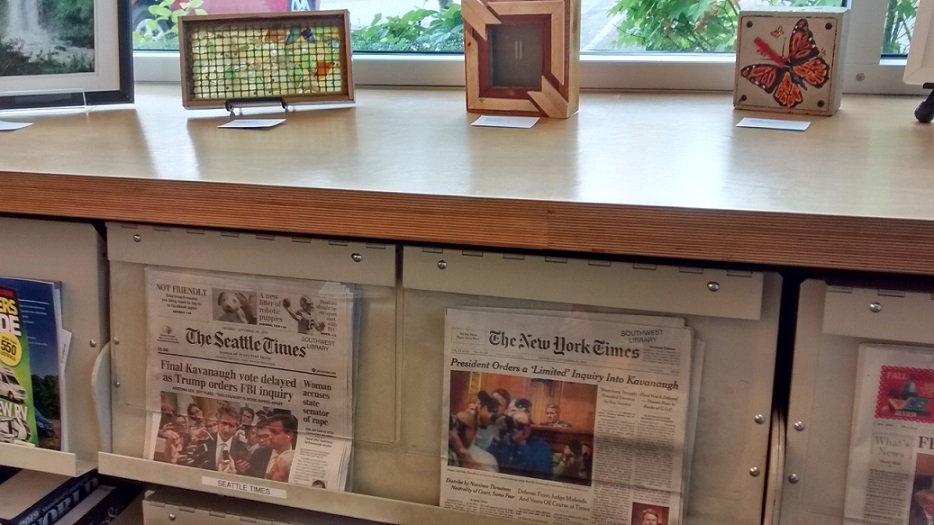
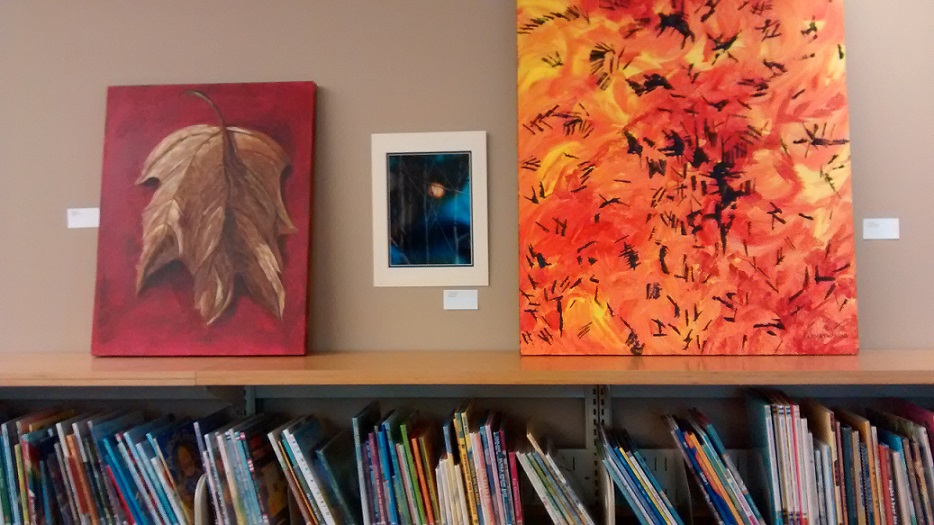
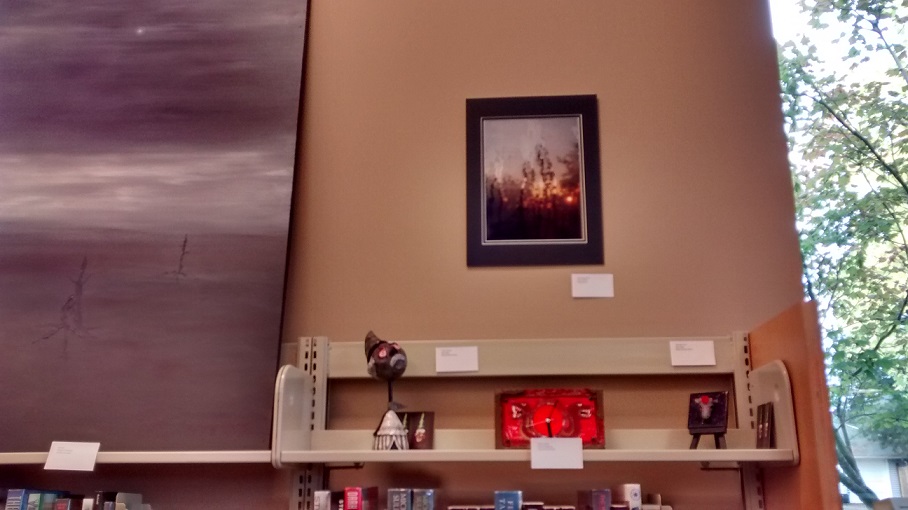
I was at a local library branch today for an art show reception. I am proud to have three photos on display, next to some really amazing art.

I saw this scene and loved the juxtaposition.

Art vs. headlines


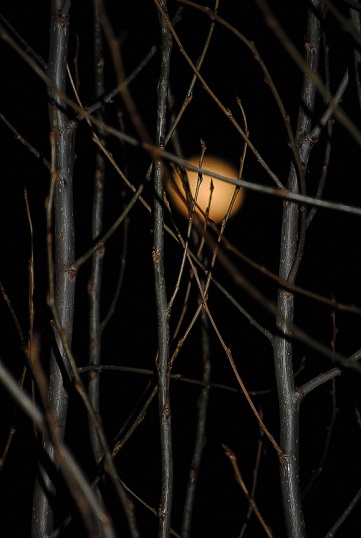
Now, here are the three photos I submitted. I did abstracts this year.

Placement in the library:

I’m sad that the first one had terrible glare on it and was pretty hard to view. In some cases, my photos seem overshadowed by huge paintings! Next year my prints will be larger and in frames.

Actual photos

Here you can view the actual images. Enjoy!

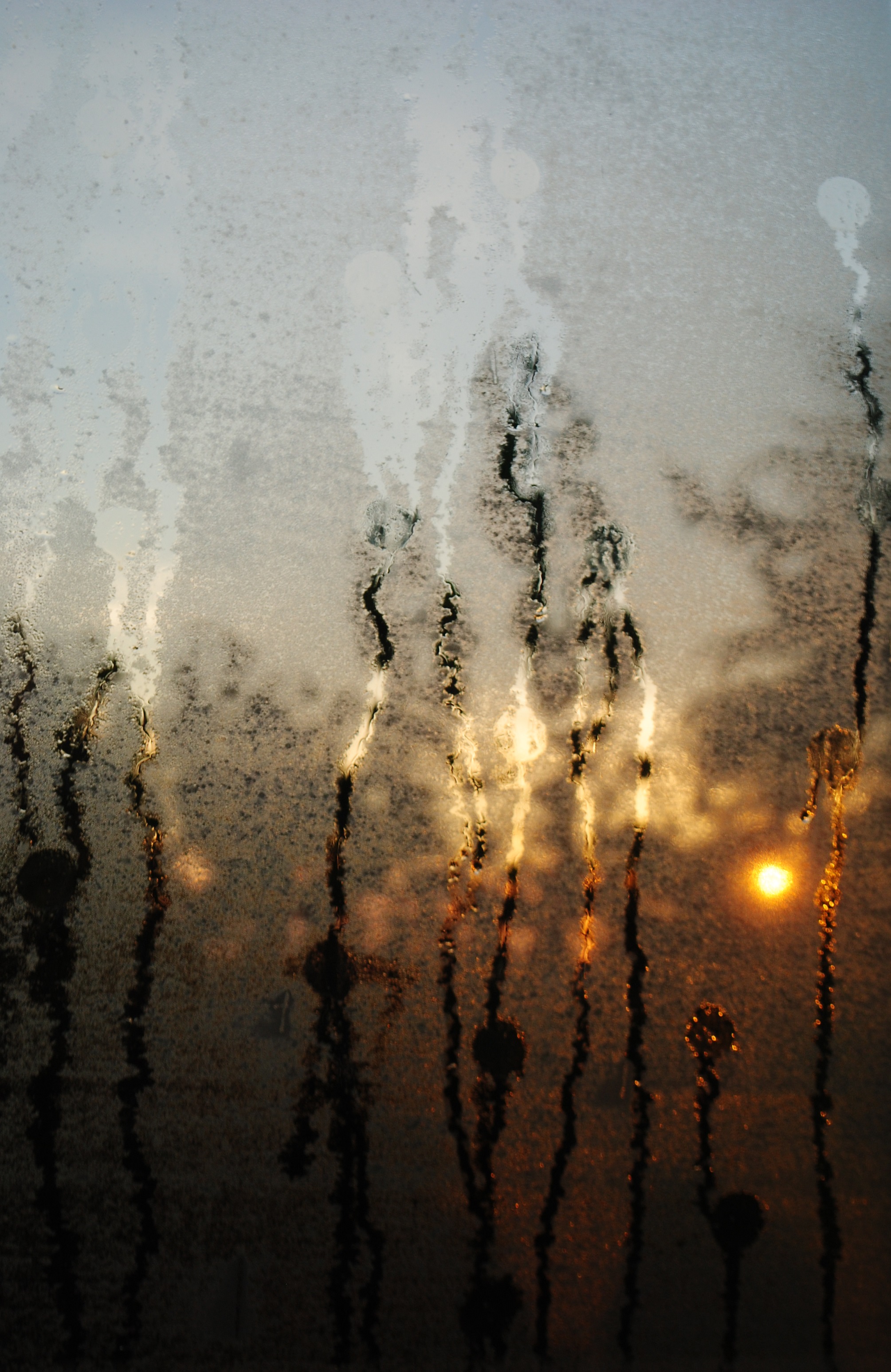
Trapped Moon

Morning Vision

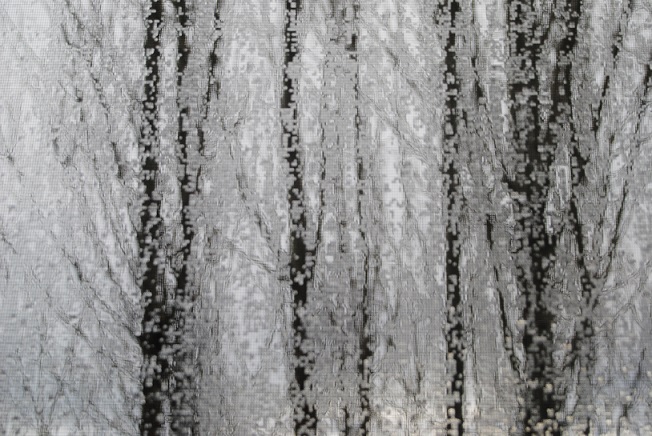
I Dream of Trees


Reading the View at the Public Library

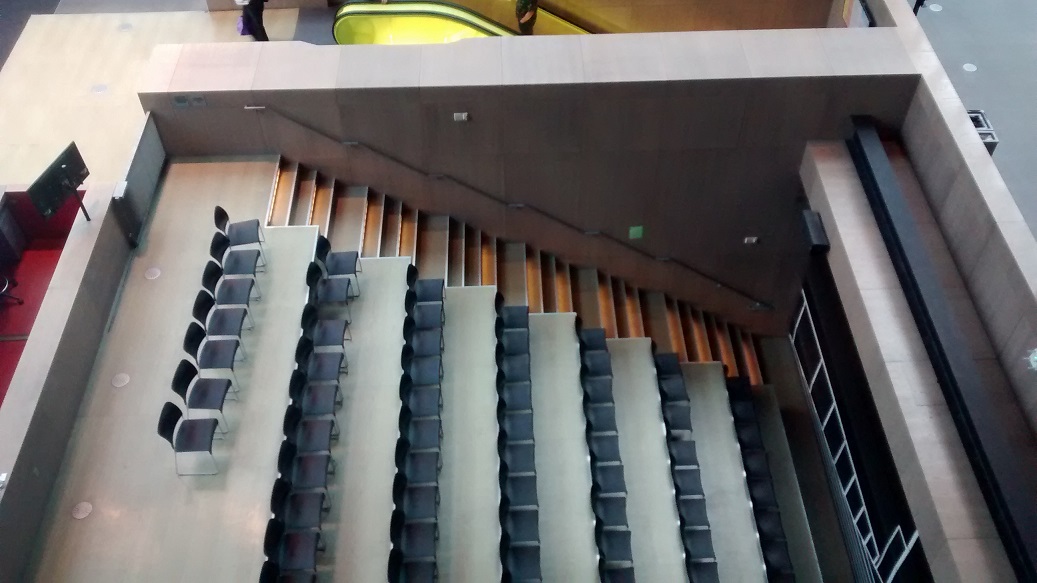
It’s a space for quiet focus, but the Seattle Central Library screams to be looked at, admired and photographed. The ultra modern building is a gem, not only for its massive collection, but for its amazing architecture inside and out. Its spaces are filled with color.

Glass walls let filtered light in, while offering abstract views of the outside world. Nine floors offer new views at every corner. I love the bold lines and contrasts of colors and textures.

Today I visited briefly to pick up a book, and snapped some quick, fun photos. The possibilities are endless, and no one minds if you stroll around with your camera. All are encouraged to take a tour.

Enjoy!

Things that Look Like Other Things

Have you ever seen something that reminded you of something else? I’ve been assembling a growing collection of such pairings and I’ll begin sharing them in a series of occasional posts.

Submitted, as Rod Serling would say, for your consideration.

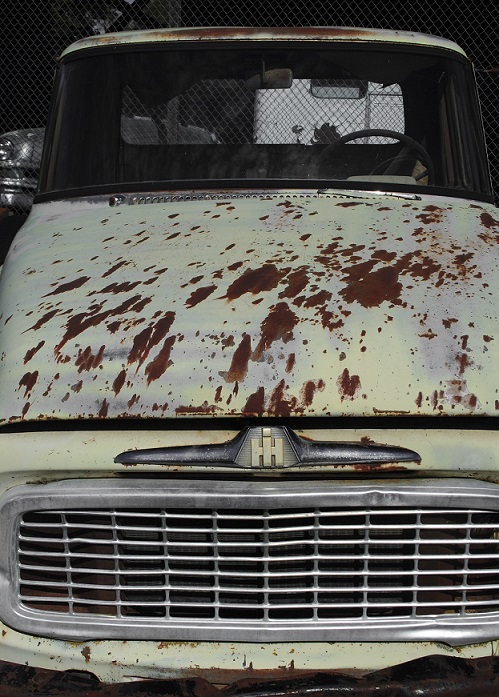
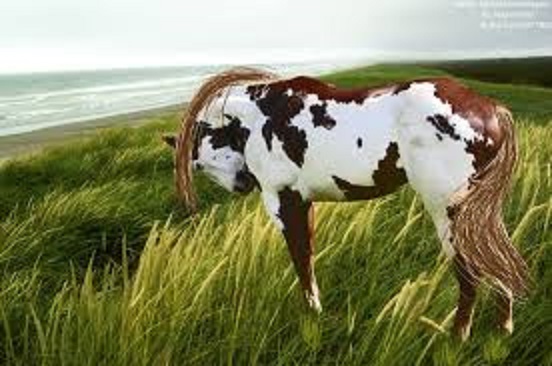
Two vintage trucks seen in a collection in Sprague, Washington, brought to mind other things.

(Not my photo)

(Not my photo)

Hidden Treasures

When I went for a long walk recently, I didn’t expect to discover hidden treasures. I walked down to the High Point pond, just a few blocks from my house. My usual route takes me around the pond, where I check out who’s there.

pond
Pond, with Seattle skyline in the distance

This day there were mallards, American wigeon, a cormorant, and gulls.

But I wanted to extend my walk and explore some new areas. High Point is a huge redeveloped area, with a variety of homes and landscapes. It’s a planned community, with mixed housing for single families, low-income families, and seniors.

There are rain gardens, permeable sidewalks, community gardens and green spaces. The planners did a good job of saving many monstrous mature trees, and a few are labeled. Today I noted a Lawson cypress, which I first thought was a Western cedar, along with a grand specimen of big-leaf maple, called “Papa.”

Along the way, I found these delightful pillars celebrating the Longfellow Creek watershed.

pillars1They are composed of blocks of concrete with carved and inlaid creatures representing plants, lizards, fish, birds, a fox and a dragonfly.

lizards img_20170216_103627070I love that nature is appreciated here. There are many immigrant families and children living in this community. I think it’s important to instill knowledge and appreciation of our local natural history. Nearby is also a bee garden, complete with a small building enclosing the hive and a flower and vegetable garden to nourish them.

As I turned down a street that I’d never walked or driven before, I discovered an intriguing sight: something out of a Greek ruin, or perhaps a group of standing stones from the British Isles.

img_20170216_104232494-copyA structure, similar to a pergola, but I’m not sure exactly what to call it, stands in front of a hillside that has large stones scattered about.

stones6-copyThe structure is supported by posts with carved wood that portrays such birds as owls and herons.

img_20170216_104423135img_20170216_104447162

And, even more fabulous, the concrete walk between the structure and the hillside is incised with a large winged creature reminiscent of the mysterious Nazca “geoglyphs” of Peru!

bird1


Head detail
Head detail


These things inspire ideas for my own yard!


1650 Gallery Exhibition

I am pleased to have two photos chosen for the 1650 Gallery exhibition “Small Towns & Rural Places,” which opens Oct. 24 in Los Angeles.

I recently explored the farmlands and small towns of eastern WA and found much photographic inspiration there. My trip seems perfectly timed for this show.

Here are the photos to be exhibited. If you’re in LA later this month, please visit the gallery!

sprague-gun-club-by-joan-miller
Sprague Gun Club

ritzville-morning-by-joan-miller
Ritzville Morning

Gallery Competition Award

I am pleased to announce that the Contemporary Art Gallery Online has awarded Judges Choice to my photo, Creepy Fern Guy! The photo is part of the All Botanical exhibition.

JoanMiller_Creepy Fern Guy_Photography_8x10_100Here is a link to the show: http://www.cagonline.gallery/May-Botanical.


Two Gallery Shows

I’m honored that my photo, Mystical Light, has been accepted for the 1650 Gallery exhibition, Light and Shadow. The LA gallery show opens April 23. I made this image at the architecturally fabulous Milwaukee Art Museum.

Mystical Light_by_Joan_Miller

I’m also happy to share that my  photo Desert Sunrise has been accepted for the upcoming Black Box Gallery show, Taking Pictures: 2016.  This image, viewable in the online annex gallery, was made at the historic Twentynine Palms Inn, where I stayed near Joshua Tree National Park. In addition to the park, the inn grounds and buildings are picturesque.

Joan_Miller1