Mount Rainier’s Historic Paradise Inn

When people have birthdays, there’s usually singing. “Happy Birthday to you… happy birthday…“ You get the picture.

But when an inn has a birthday, does anyone sing?

The historic Paradise Inn at Mount Rainier National Park is celebrating its 100th year. Built in 1917, the inn is a classic, rustic, big-timber affair that the national parks are known for.
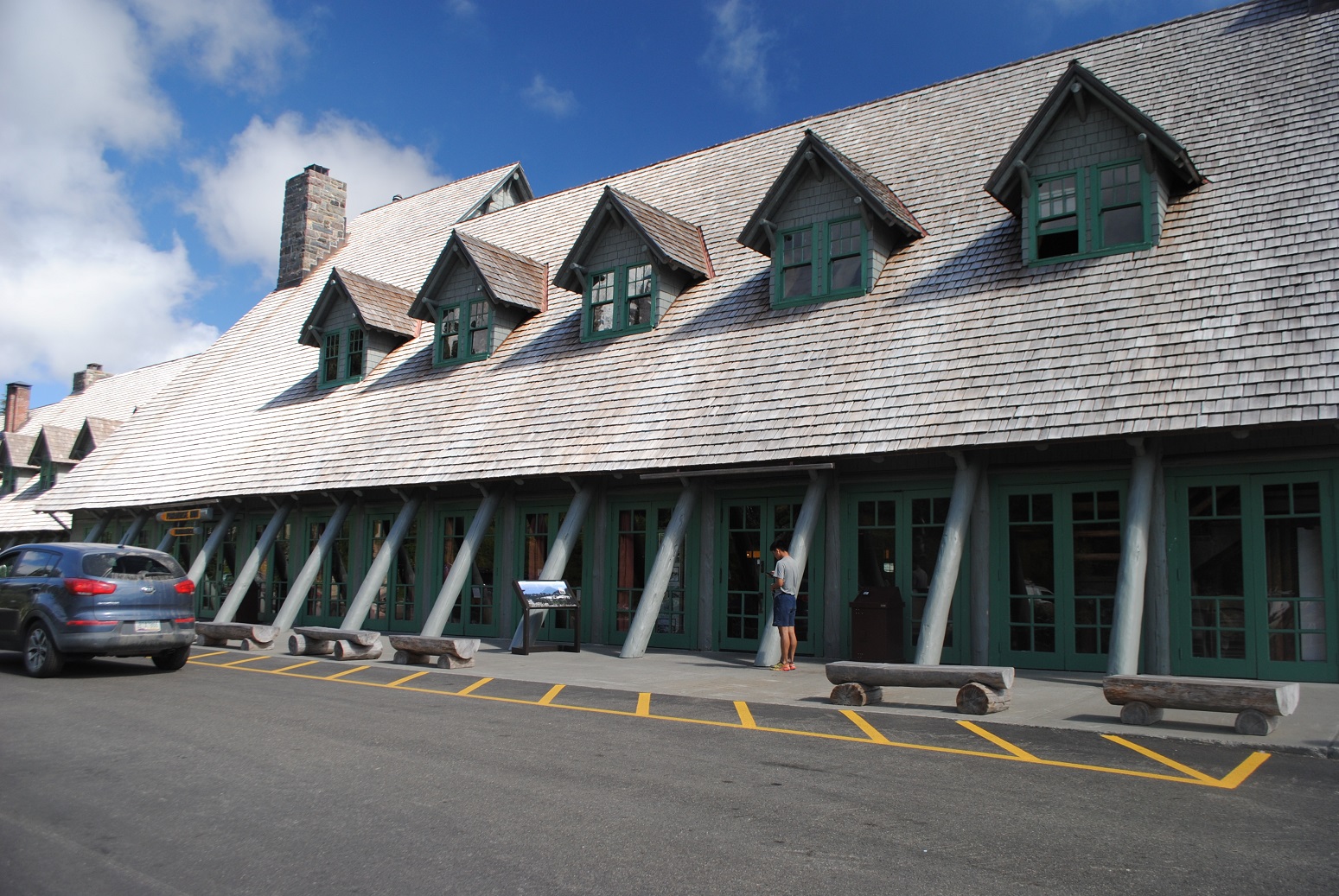
Back when men were men, and furniture was BIG, this inn set a precedent for other parks. Until then, visitors stayed in Spartan tent camps. The first director of the National Park Service, Steven Mather, wanted the new inn to be a model for other parks. Can you believe it cost only $90,000 to build? Of course, in 1917, that was a lot of moola.

You could say Paradise Inn rose from the very soil around Mount Rainier. Cedar trees damaged in a nearby fire in Silver Forest were salvaged and used in the construction.

The large, heavy tables and chairs in the lobby were made from Silver Forest trees.


Back then, dead trees were not valued and left standing as they are today, largely as wildlife habitat.

If you visit the inn, you can see the original timbers and furnishings.

There is a tall clock that is framed in local wood, along with an upright piano also encased in wood.

With a view of Mount Rainier just steps away, the inn offers 121 simple guest rooms – no telephones, TV, or internet. There are rooms in the main lodge, with shared baths, and rooms with private bath in the Annex, which was added later to accommodate ever-growing crowds of visitors. The structure is getting some renovations and promises to be better than ever.

Reading the View at the Public Library

It’s a space for quiet focus, but the Seattle Central Library screams to be looked at, admired and photographed. The ultra modern building is a gem, not only for its massive collection, but for its amazing architecture inside and out. Its spaces are filled with color.

Glass walls let filtered light in, while offering abstract views of the outside world. Nine floors offer new views at every corner. I love the bold lines and contrasts of colors and textures.

Today I visited briefly to pick up a book, and snapped some quick, fun photos. The possibilities are endless, and no one minds if you stroll around with your camera. All are encouraged to take a tour.

Enjoy!

The Corn Barley Nut Rice Crow Ice Moon

Mr. Moonlight, come again please
Here I am on my knees
Begging if you please
And the night you don’t come my way
I’ll pray and pray more each day
Cos we love you, Mr. Moonlight

— “Mr. Moonlight” — the Beatles

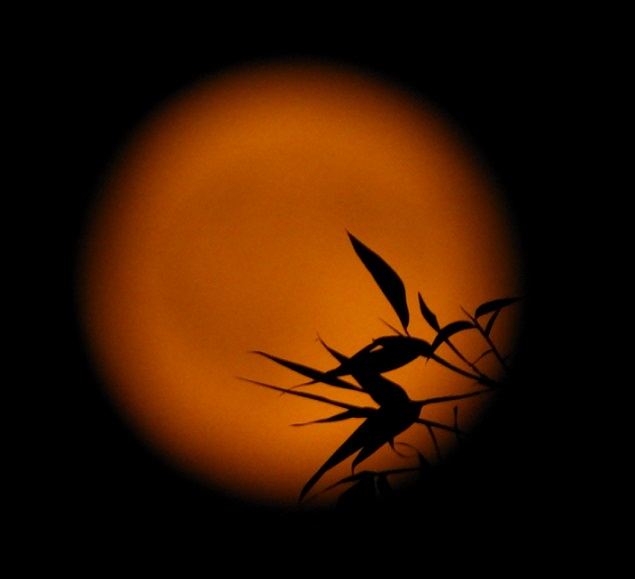
Here I am waiting for Mr. Moon to rise, so I can photograph him for this blog piece! From the recesses of my brain this song surfaced. It’s a simple but beguiling song. Surely the Beatles were inspired by the very same magic of the full moon.

Wildfire smoke colors the moon

It seems that the August and September full moons vie for the name Corn Moon. August’s is also known as the Sturgeon Moon, so we’ll go with Corn Moon for September. But the ninth month moon is also called the Barley Moon.

South of the equator, it is also called the Worm Moon, Crow Moon, Sap Moon, Lenten Moon, and Chaste Moon.

There are nights when wolves are silent and only the moon howls. — George Carlin

Phil Konstantin has compiled an extensive list of Native American names for moons on his website, www.AmericanIndian.net. Among the names he lists for September’s moon are Corn Maker Moon (Abenaki), Rice Moon (Chippewa, Ojibwe), Yellow Leaf Moon (Assiniboine), Nut Moon (Cherokee), Drying Grass (Cheyenne and Northern Arapaho), Little Chestnut Moon (Creek), and Ice Moon (Haida).

Summer ends, and Autumn comes, and he who would have it otherwise would have high tide always and a full moon every night. — Hal Borland*

Scientists tell us that the moon is never 100 percent full when we think it is. Only during a lunar eclipse, when the earth, moon and sun are completely aligned, is the moon truly “full.”

The Corn Moon arrives September 6, 3:03 a.m. Eastern time.

*Hal Borland was one of my favorite journalists. He wrote a weekly editorial in the Sunday New York Times for 35 years, always observations of nature and the seasons. He died in 1978. I have a collection of his writings, published in a book, Borland Country, which are paired with photographs by renowned photographer Walter Chandoha. Chandoha is particularly known for his photographs of cats, which are forever singed in my memory from a National Geographic magazine from the 1960s that I kept for a very long time. He is still alive and working, and still resides on a farm in New Jersey. You might check out the work of both of these craftsmen.

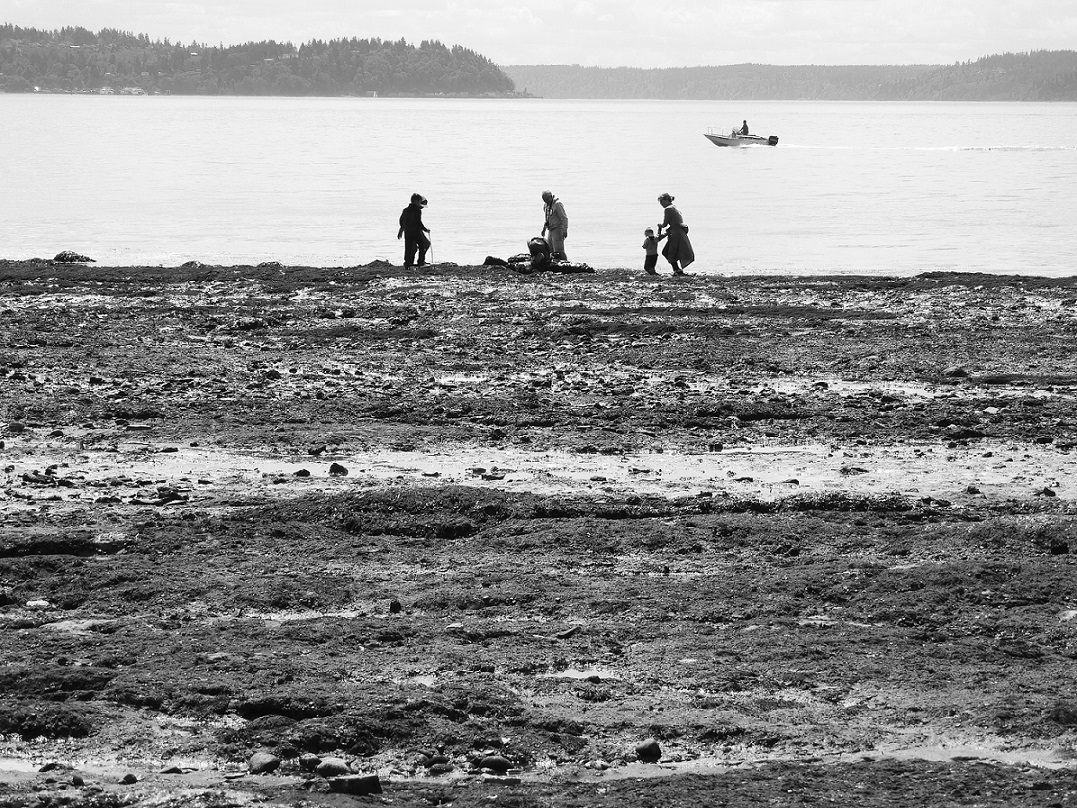
Low Tide Silhouettes

I took these a while ago during a very low tide in West Seattle. I liked the way the figures were silhouetted. I converted these from color to B&W, which is what I had in mind when I shot them.

A Visit to Suquamish

Suquamish is a village on Washington’s Kitsap Peninsula. It is the home of the Suquamish people, Native Americans who are a part of the regional Salish nation. Water, salmon and boating are central to their way of life. This tribe also runs the Clearwater Casino Resort.

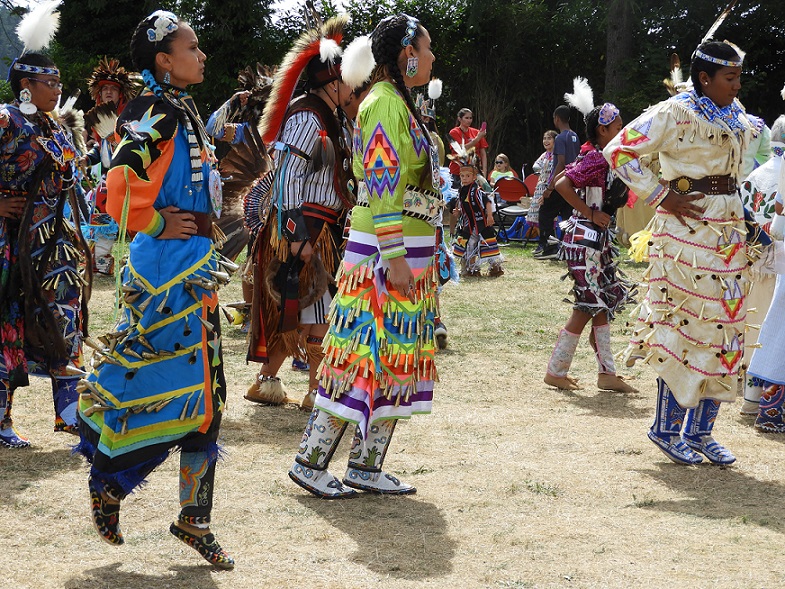
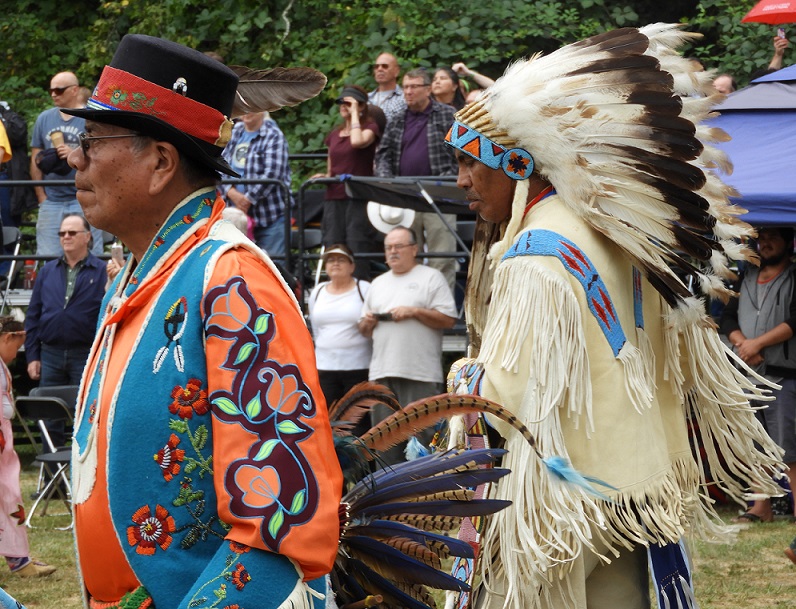
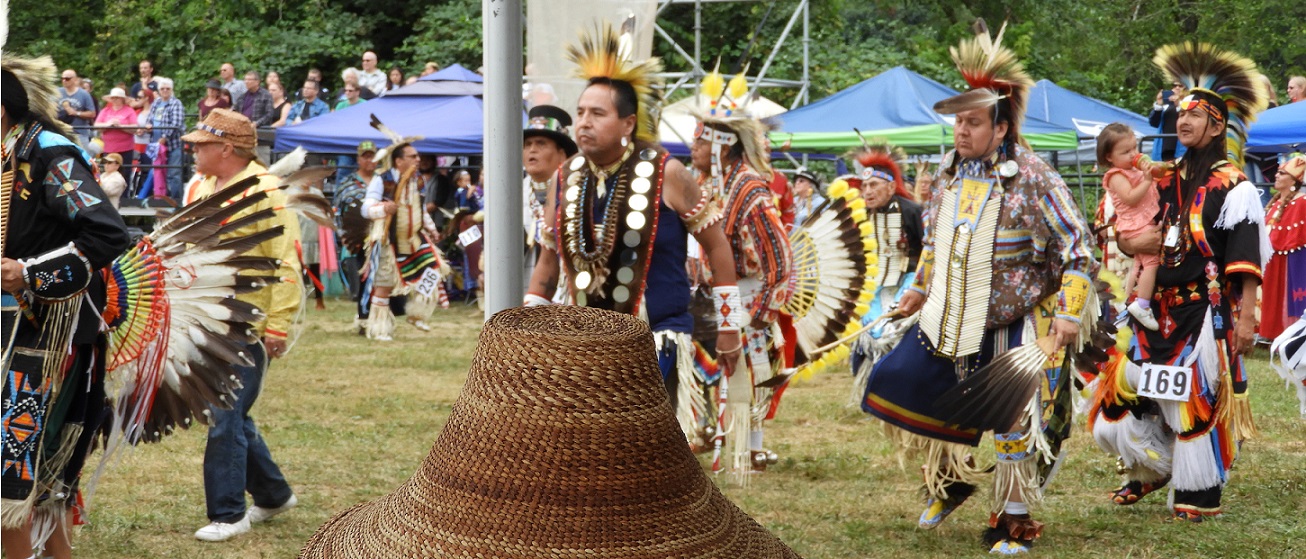
It’s the time of year for Pow Wows, and recently, the Suquamish hosted their Chief Seattle Days at the Port Madison Indian Reservation, on Agate Passage, the ancestral home on Puget Sound.

The festivities included a fun run, boat races, a delicious salmon dinner and, of course, dancing.

The dances kicked off with the grand entry, then introductions of veterans and seniors.


International Guests

A highlight was dances by visitors from Vancouver Island and Mexico.


The Canadians presented several animal dances, with drumming and singing, while the Mexican group presented traditional Aztec ceremonies, with elaborate, dazzling regalia.


I felt honored to witness all these ancient movements. I am happy that these cultures are being preserved and carried forward through the centuries.

The Pacific Northwest is blessed with rich indigenous cultures that have refused to die out and are continuing with renewed spirit and energy. It’s wonderful that they so generously share their traditions with the rest of us.

Chief Seattle

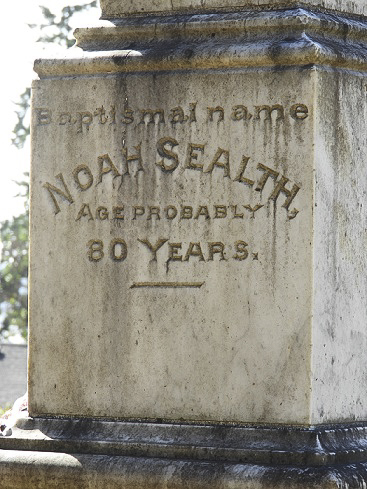
I was able to visit the grave of Chief Seattle, or Sealth in the native language, which is just up the road from the House of Awakened Culture, the site of the Pow Wow. The city was named for him.

The monument is accompanied by two painted wood panels depicting facets of the chief’s life. He lived from 1786-1866. The site has a circular concrete border, on which is engraved words in the Lushootseed language and also English. Many tributes are left at the base.


Stillaguamish River Festival and Pow Wow

I attended the annual Stillaguamish Festival of the River and Pow Wow recently. The Stillaguamish is one of our numerous rivers in western Washington, also the name of one of our native tribes.


It was exciting to see the regalia and dance competitions. Dance groups included veterans, senior men, senior women and children, representing tribes of the Salish nations.


Also featured were young Apache men from Arizona, demonstrating their skills at hoop dancing.


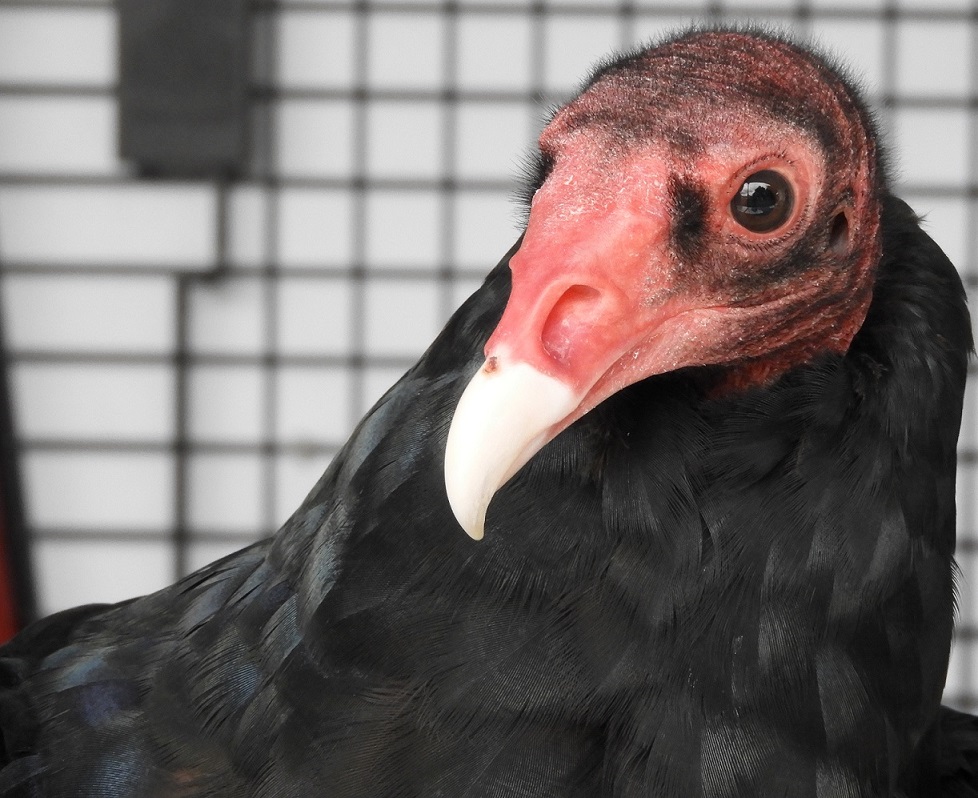
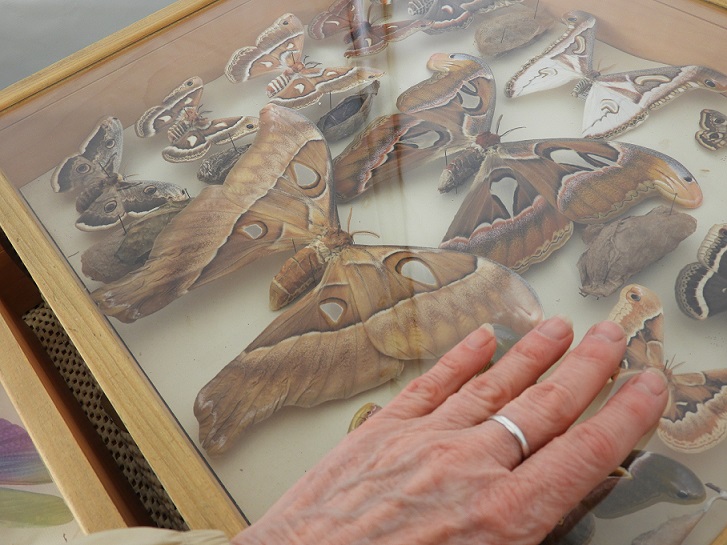
The festival included various educational booths about the river, conservation, and wildlife. Exhibitors featured insect collections, birds of prey, and one large yellow boa! The snake seemed as relaxed as the children it was sprawled across.


Beatles!

The Corn Moon

How fitting that our August full moon is a lovely golden yellow (from Canadian fire smoke), for it is known as the Corn Moon. A time of harvesting, this full moon is also called the Green Corn Moon, Sturgeon Moon, Grain Moon, and Barley Moon.

According to the Farmers Almanac, Native American tribes called it the Sturgeon Moon because sturgeon in the Great Lakes and Lake Champlain were usually abundant during this time.

Some tribes, the Almanac adds, had yet other names for this late summer moon: “Wheat Cut Moon” (San Ildefonso, and San Juan), “Moon When All Things Ripen” (Dakotah Sioux), and “Blueberry Moon” (Ojibwe).

August is a time when the earth is providing an abundance of foods. Fish are running; corn, blueberries and other crops are ripening. No doubt it’s a welcome time for feasting and preparing foods for winter stores.

This moon tells us it’s the perfect time to reflect on what we have, what we can sacrifice, and what we can put away for leaner times.

A Caterpillar Feast

In March, I journeyed back to the Anza-Borrego Desert in southern California. The big draw was an annual migration of Swainson’s hawks and the emergence of big colorful caterpillars, but as it happened, a third phenomenon blossomed simultaneously.

Big colorful caterpillars emerge every spring in Anza-Borrego.

They are the larvae of the white-lined sphinx moth and appear in various color combinations, from yellow with black stripes, to black with yellow stripes, to green with black stripes.

The caterpillars, sometimes called hornworms, feed on many types of flowers and plants, while the moths seek nectar.

The striking moths, also known as hummingbird moths, can be quite beautiful.

What I witnessed was the part of the life cycle when the larvae hatch and proceed to munch out on the desert flowers and plants.

It just so happened that this year the little guys were even luckier to hatch during a “superbloom,” a time when bountiful winter rains have produced carpets of wildflowers across the desert.

After eating nonstop and growing to 3-4 inches in length, the time comes for the next phase of their lives. The caterpillars burrow into the sand and pupate into a form that remains underground for 8-15 days. Then, the big transformation occurs and the moths emerge!

The moths spend their nights feeding and pollinating wildflowers, and then lay eggs on the undersides of flowers. The entire life cycle begins anew when the eggs hatch into very small caterpillars that begin to eat 24 hours a day on the flowers.

At the same time, Swainson’s hawks are making their way north from South America. They spend time in the desert around Borrego and have been known to feast on the caterpillars. Birders gather daily for the hawk watch. It was a gamble where or when they might be spotted. During my visit, I was disappointed to see that the hawks were in kettles a great distance away. Meer specks. I had expected to see them near the ground picking off the fat worms.

Unfortunately, I could not stick around long enough for the emergence of the moths, but I bet that’s something to see!

The superbloom, however, was a great treat.

Things that Look Like Other Things

Have you ever seen something that reminded you of something else? I’ve been assembling a growing collection of such pairings and I’ll begin sharing them in a series of occasional posts.

Submitted, as Rod Serling would say, for your consideration.

Two vintage trucks seen in a collection in Sprague, Washington, brought to mind other things.

(Not my photo)

(Not my photo)

Neither a Skunk Nor a Cabbage

Skunk Cabbage

Harbinger of Spring

This oddly named and odd-looking plant is one of the earliest to emerge in late winter/spring. It grows in wetlands, near streams and in wet areas in woods.

For some people, it’s a welcome sign of spring.
Henry David Thoreau saluted skunk cabbage for lifting our spirits:

“If you are afflicted with melancholy at this season, go to the swamp and see the brave spears of skunk-cabbage buds already advanced toward a new year… See those green cabbage buds lifting the dry leaves in that watery and muddy place. There is no can’t nor cant to them. They see over the brow of winter’s hill. They see another summer ahead.”

Western skunk cabbage

But Joseph Wood Krutch saw it another way:

“There are some optimists who search eagerly for the skunk cabbage which in February sometimes pushes itself up through the ice, and who call it a sign of spring. I wish that I could feel that way about it, but I do not. The truth of the matter, to me, is simply that skunk cabbage blooms in the winter time.”

Here’s a quirky fact about skunk cabbage: it has its own internal heater, which helps it melt the snow away so it can emerge. I was once told by a teacher that if you put a thermometer inside one, you can see how warm it is. I’ve never tried this, but I have always wanted to.

The “flowers” emerge before the leaves. If you miss the flower, you might know skunk cabbage by its large green leaves. The other quirky thing about the plant is, its “foul smelling” leaves. Again, I have never smelled it, but it is said that if you crush the leaves, you will!

There are two types of skunk cabbage: the western (Lysichiton americanus), with its yellow flower, and the eastern (Symplocarpus foetidus), with a purple one.

Eastern skunk cabbage

When I lived on the east coast, I used to like to visit Great Falls National Park in Virginia, where a trail led to a low spot with a wetland full of skunk cabbage.


At Great Falls National Park

There was something reassuring about seeing it emerge every year, and I liked the way the purple flowers looked like alien pods. I liked to photograph the bright green leaves against the blue-black water.