
This 5.5 acre little gem of a garden rose from a former site of sand and gravel storage to become a place for horticulture students to learn and the public to enjoy. Today it features a conifer collection, a rose garden, a sensory garden with fragrant specimens, water features, a gazebo, Sequoias, Japanese maples, walking paths and little bridges. It is also adjacent to the authentic Chinese Garden, which includes special rocks from China and a peony garden. The area stands on high ground in West Seattle and there is a peek-a-boo view of the Seattle skyline.


Even in winter there is plenty of life to see. Conifers range from dark green to blue, tall and short, with textures of long needles and short tight bundles.
The Chief Joseph pine is my favorite, with its winter coat of neon yellow.
Winter elevates the colors and forms of branches to the front. No leaves hide the arches and bark colors, and catkins sway in the breezes. It is the season when red and yellow-twig dogwoods show their real beauty. It was very quiet on the cold day that I visited recently, and I did not find many birds. But I recall that once on a Christmas bird count there, I found a hermit thrush.
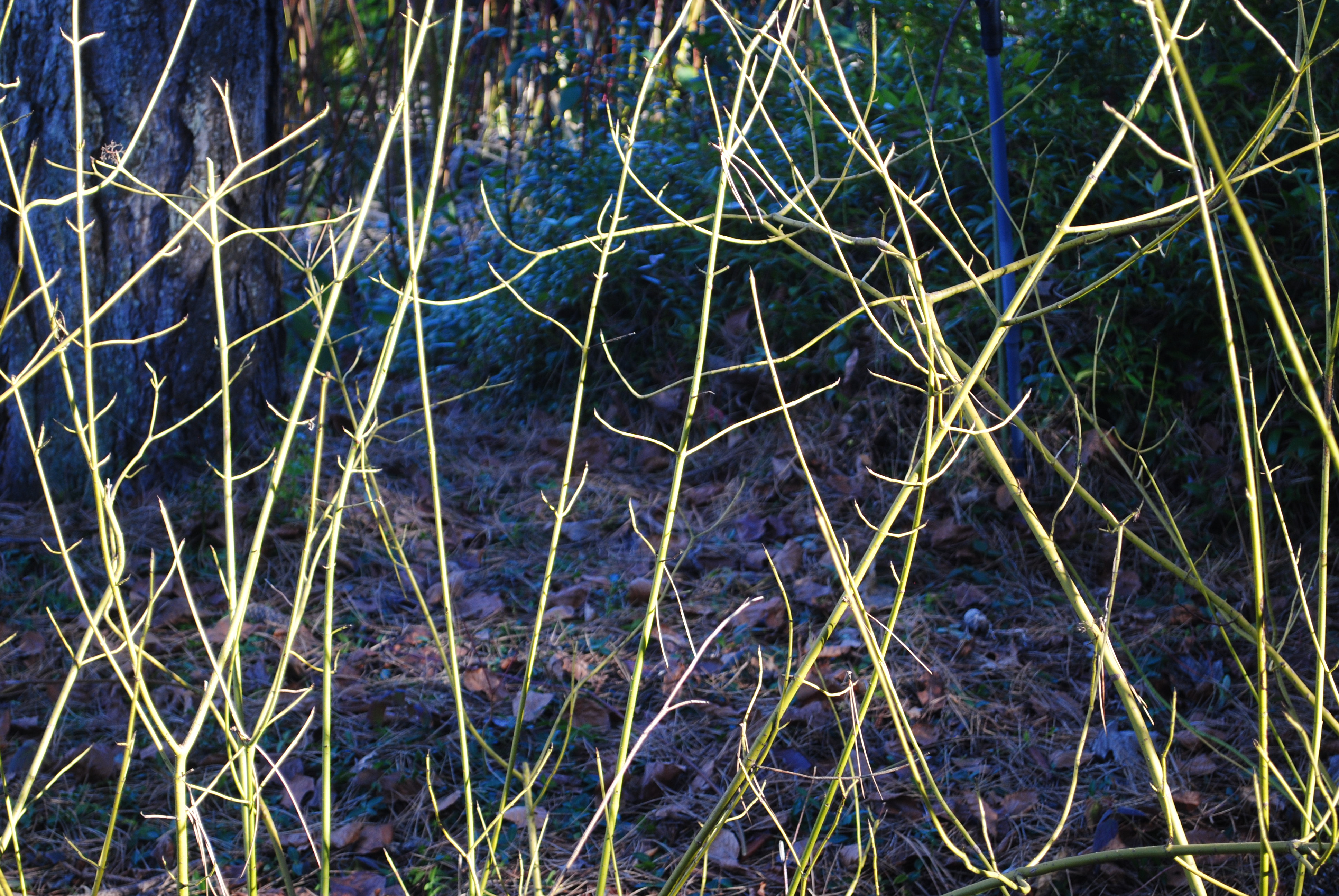
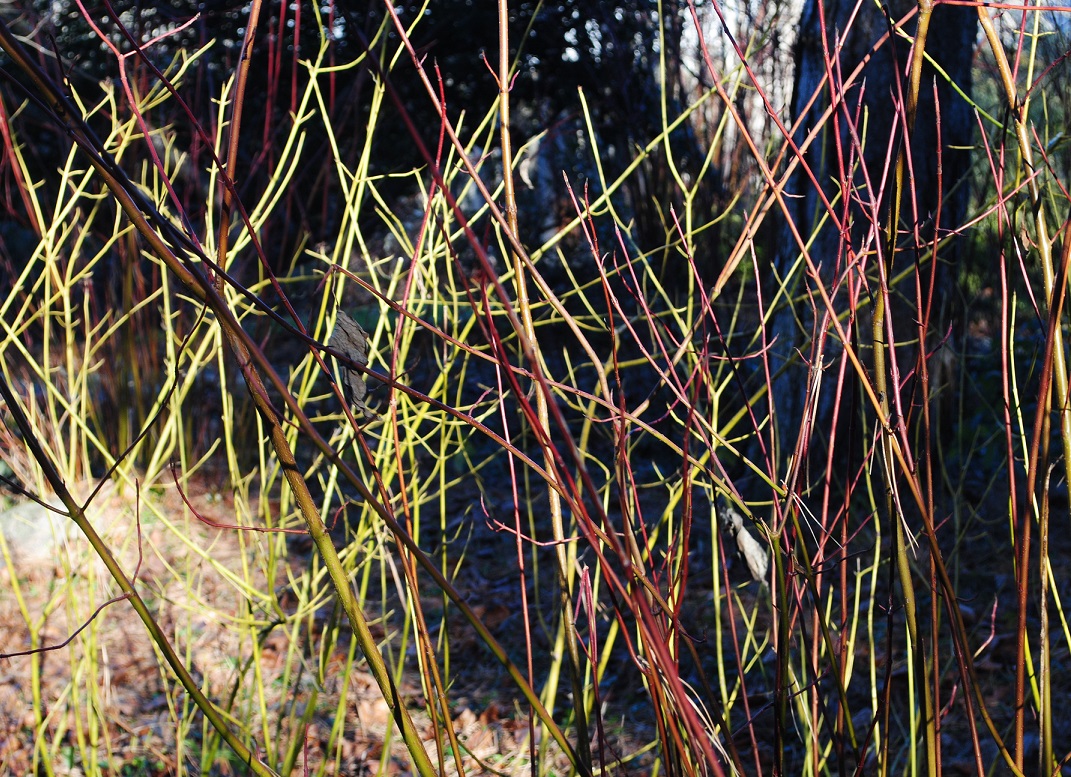


The arboretum is ever evolving, as the students and designers work add and tweak the plantings.




 Natural Views