The Spotless Ladybug and Other Garden Insects

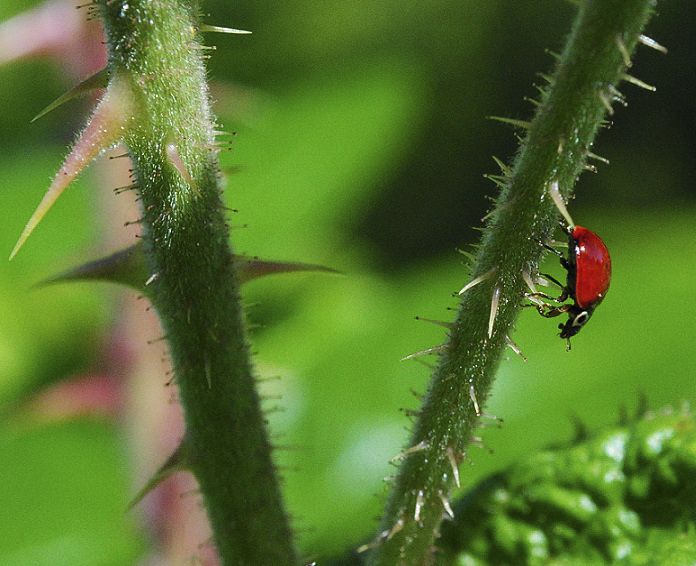
ladybug2I’d been wearing my ladybug earrings recently, in honor of spring, and it seems it was a prescient act. Recently I saw a bazillion ladybugs in my yard! OK, not a bazillion, but I saw one, then another, and another, and finally realized there were a lot on my rose bushes! Not that there were any aphids or other pests that I could see, but I was glad to have the little red ladies.

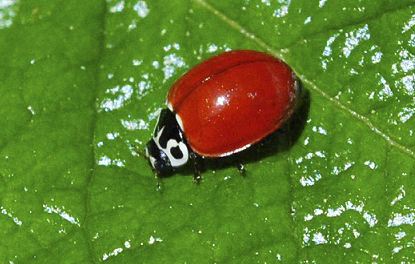
From what I could see, these ladybugs were all small, spotless girls.

ladybug3I grew up with the image of a deep red ladybug, usually sporting two black spots. But my visitors were much smaller and had no spots.

Some people call them ladybirds.

Ladybug, ladybug fly away home. Your house is on fire and your children will burn.

ladybug4Despite their gentle name and lovable reputation among children and gardeners, ladybugs are feisty little beetles. Their scientific family of Coccinellidae includes ladies of various shades of red, orange or even yellow, and many variations of spots.
ladybug5

They are found worldwide. From my research on the web, I’m thinking my species is Harmonia axyridis, which varies greatly from red and orange to black, with no spots, a few spots, or lots of spots! This is the one that came from Asia and is now widely established in North America, South America, Europe and South Africa.

Lady beetles are ladybug7valued as predators of garden pests, including aphids and scale, but scientists have learned that they also eat such plant materials as fungi, pollen, and nectar. They’ve even been known to become cannibalistic, eating eggs and larvae of other ladybugs when food is scarce.

Ladybugs to the rescue

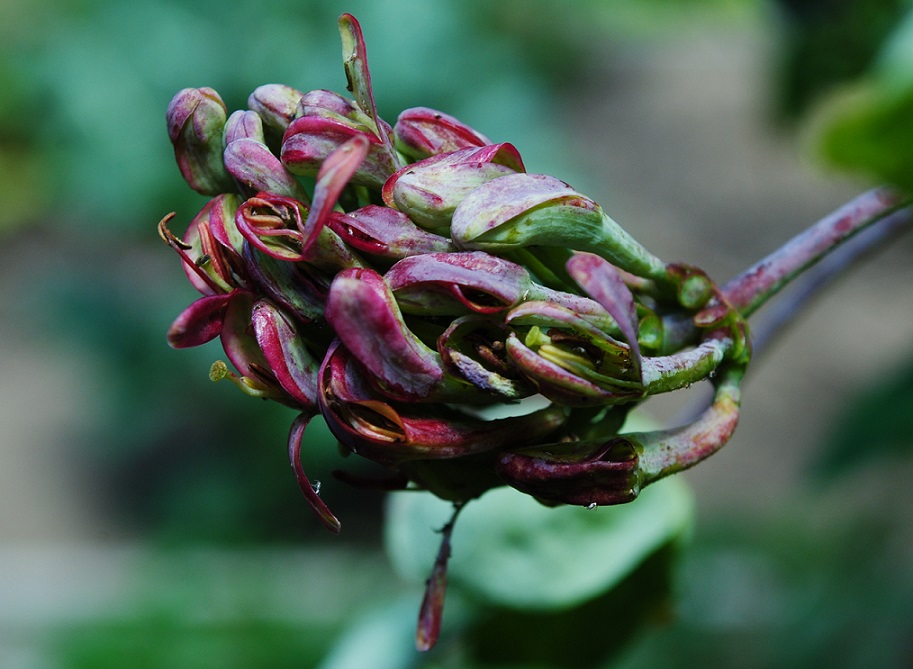
ladybug roseLast year an invasion of aphids attacked my honeysuckle, leaving it looking pretty sad, with its deformed, unopened flowers. Once I realized the shrub was not dying for water and that there were aphids all over, I went to work.

I discovered that aphids cause the flowers to look like “witches brooms,” aptly named as the flower buds look like curved broom heads.
DSC_0117


They just stay that way and never fully open, so my honeysuckle looked like all the flowers had died.


DSC_0123I have learned that this is an issue with certain honeysuckle species, so I’ll have to live with it. Advice on the web is to cut off much of the plant during winter, before the larvae can hatch. Also, spraying with a solution of dish soap and water can get rid of some.

DSC_0119So far, my plant is looking OK, though there is a lot of evidence of aphids again. I got out my spray bottle again. I then saw a few ladybugs on the plant. “Do your thing, do your thing,” I told them.

DSC_0113 Several states have named the ladybug as the state insect, including Delaware, Massachusetts, New Hampshire, Ohio, Tennessee and New York. New York went further by specifically designating the native North American species, Coccinella novemnotata, the nine-spotted ladybug. This species has declined as the European seven-spotted ladybeetle and the Asian species I mentioned above have spread.

Ornate Hoppers

While I was scouting out ladybugs on my plants, I noticed a bunch of leaf hoppers. Hoppers are tiny, narrow insects, generally regarded as pests because they suck juices from vegetation. But I always recall macro photos of them in field guides that spotlight their beautiful colors. My leaf hoppers were a blue-green, with dark blue or black stripes on its wings.
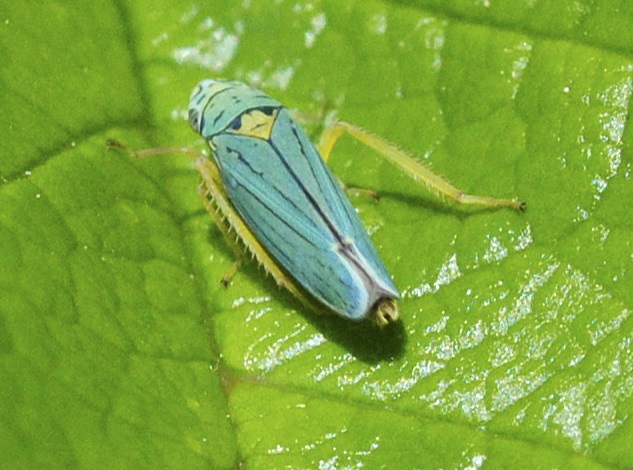
leafhoppersIt might be a “sharpshooter” leaf hopper. As with the beetle family, leaf hoppers can come in psychedelic colors. Some have red and turquoise stripes, or bright orange with green and blue; even a most artistic pattern of blue and yellow streaks.

leafhoppers3What is the function of such color in the insect world? It certainly isn’t camouflage.

Blending In

But an insect that blends right in with its environment is the lacewing, another beneficial garden bug. I happened to see a few around my house. Only about an inch long, they have bodies of delicate green, and as the name implies, wings that are translucent and lacy looking. They are common to North America and Europe, and similar to ladybugs in lifestyle. They eat aphids, caterpillars, mites and other insect larvae and eggs. Garden plants that are said to attract lacewings include coreopsis, cosmos, dandelions, sunflowers and dill. In that case, lacewings should be pretty common! I’ve got enough dandelions to support a town of lacewings! And I’ve planted cosmos and sunflowers.

Two Gallery Shows

I’m honored that my photo, Mystical Light, has been accepted for the 1650 Gallery exhibition, Light and Shadow. The LA gallery show opens April 23. I made this image at the architecturally fabulous Milwaukee Art Museum.

Mystical Light_by_Joan_Miller

I’m also happy to share that my  photo Desert Sunrise has been accepted for the upcoming Black Box Gallery show, Taking Pictures: 2016.  This image, viewable in the online annex gallery, was made at the historic Twentynine Palms Inn, where I stayed near Joshua Tree National Park. In addition to the park, the inn grounds and buildings are picturesque.

Joan_Miller1

Apple Blossom Country

apple1Gala, Pink Lady, Jonagold, Red Delicious, Golden Delicious, Honey Crisp, Granny Smith, Fuji, Braeburn, Cripps Pink. Can you taste the sweetness and feel the crunch?

Washington state is the apple-growing leader nationwide. You’ll see proof of this if you drive around Yakima Valley or Wenatchee, where the orchards are concentrated. The other top regions are the Columbia Basin, Lake Chelan and Okanogan.

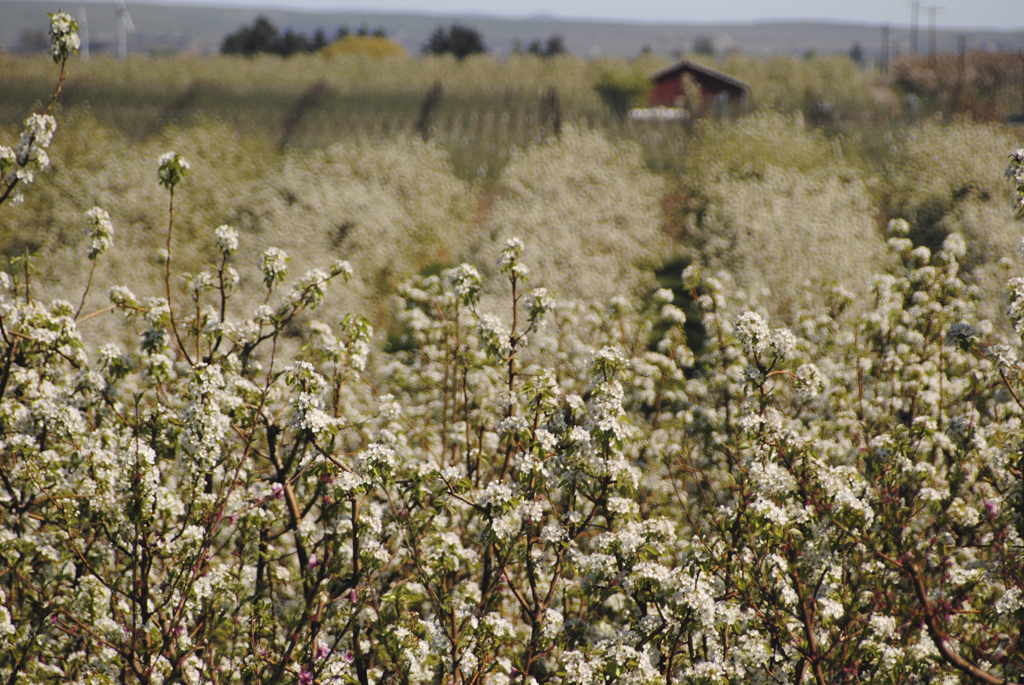
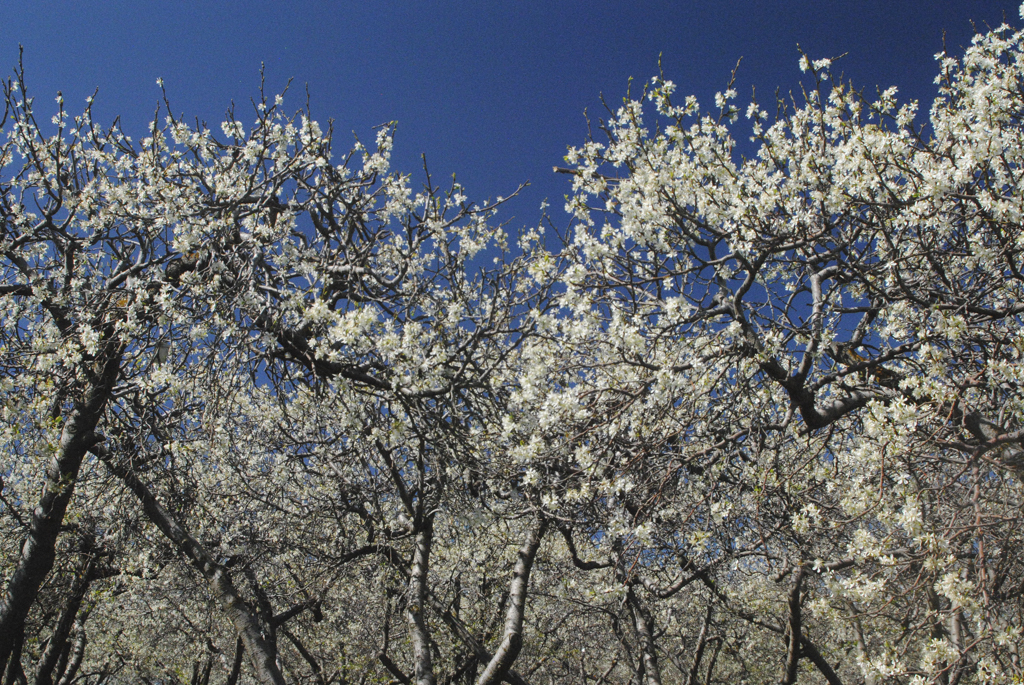
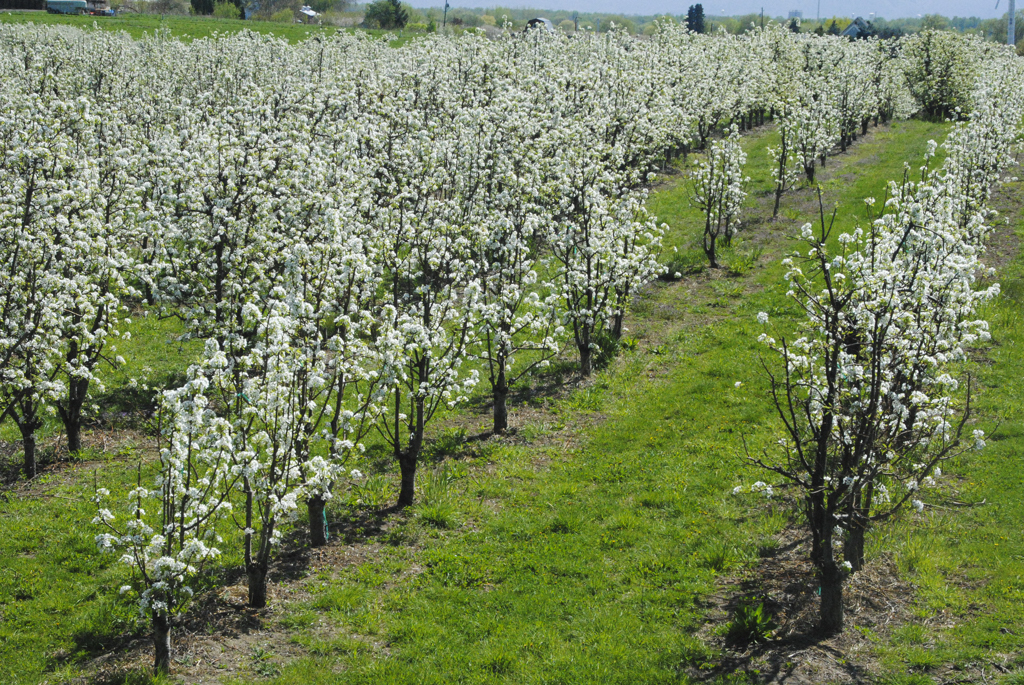
I wanted to photograph orchards in bloom for a while. I thought, rightly so, that huge stands of trees covered in white blossoms must be a sight to see. Not just apple trees bloom in the spring, but also pear and cherry. I had written off finding cherry orchards and focused on apples. Pears, if I found some, would be the ice cream on the apple pie, so to speak.

I had driven around Wenatchee once, soDSC_0993 I knew there were many orchards there. In fact, the town has an apple visitor center, where you can learn all about the state’s sweet crop. But Wentachee was a longer drive from Seattle than Yakima, so I scouted out some areas near Yakima last fall, and found an ideal spot in Zillah.

My gut told me this could be the time, but in order not to miss the blossoms, I needed to go have a look. To Zillah I headed. It’s about a two-hour drive through shrub-steppe country. There‘s a nice rest area near Selah with a view of Mt. Rainier and Mt. Adams where I usually stop for lunch. There was a clear view of both peaks.

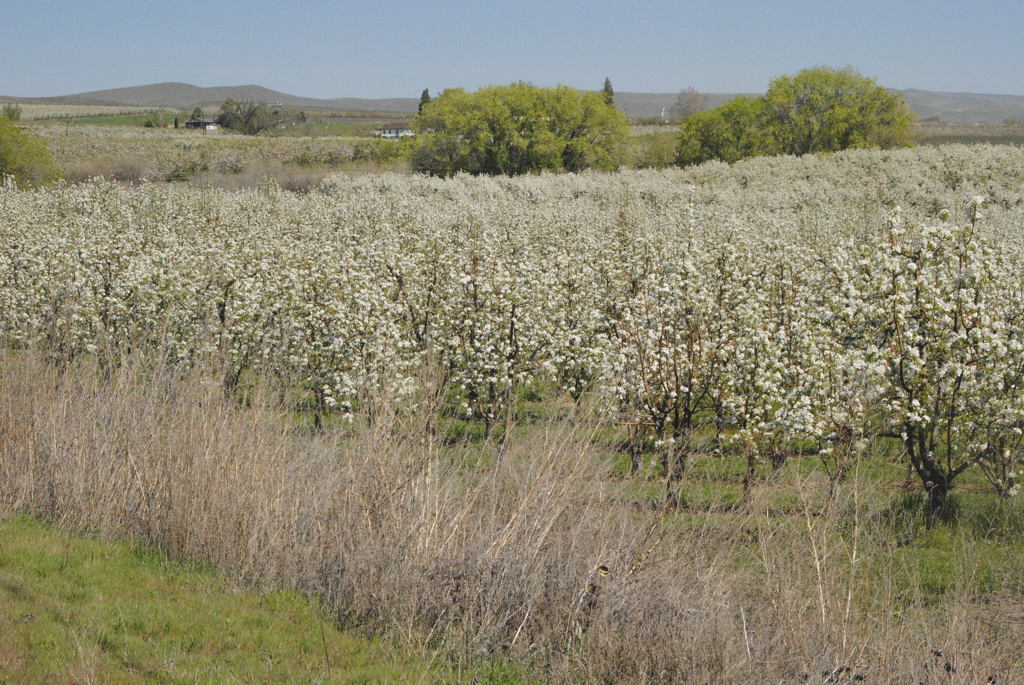
After my break I headed on to Zillah. But before I got there, I began to see orchards in bloom, and whitish blobs covering the hillsides in the distance. It took a minute to realize I was seeing apple orchards in peak bloom!

apple17I made a quick decision to take the next exit and find the road that was closest to the orchards. I was just ahead of Zillah, but I knew I didn’t need to continue on. I wouldn’t find anything better.

Past Remains

It turned out I had arrived in the little town of Buena, and buena it was! This is not a ritzy area and the homes are very modest, but it seemed that even the smallest papple9lot of land had a mini orchard on it. Apples are lifeblood here, or at least, a sideline.

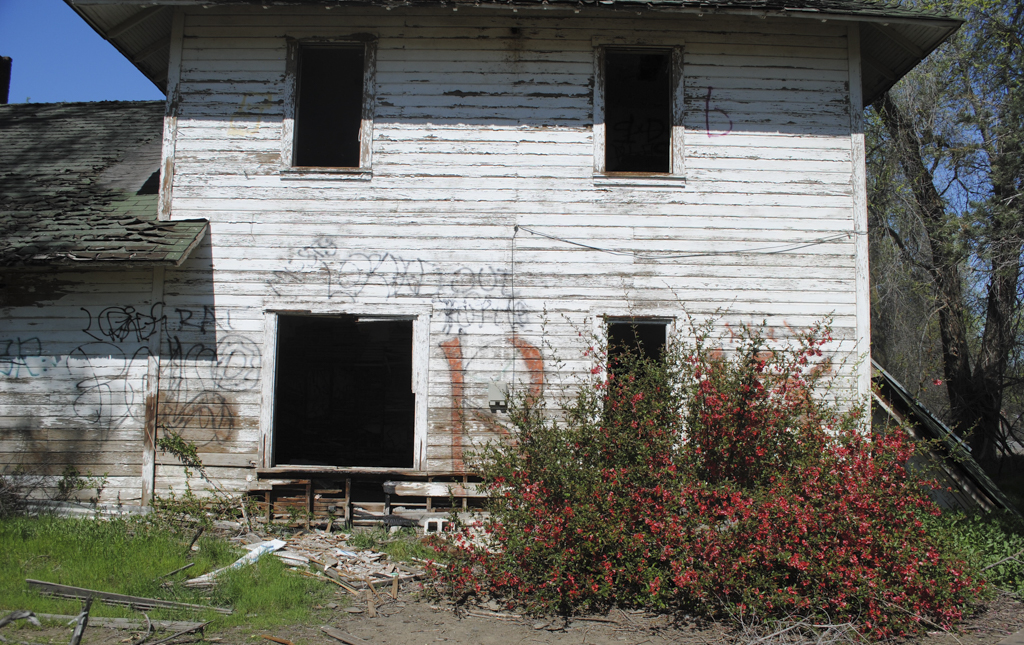
I found a main road that stretched north to south, with orchards in view. I turned off to a side road to get closer to the trees. Along the way I found a big old abandoned house and just had to stop to photograph it. Large trees cast soft shadows on the grass in the bright sun. A hundred years ago it was a grand house, surrounded by farm land. Now its windows were gone and the inside all graffitied up. I wondered how such a once-grand house could get to this state.

house1house2house3house4house5That the house was left to stand was evidence of someone’s respect for the past, or a simple lack of money either to fix it up or tear it down. What happened? Who now owns the property? Perhaps the last owner died without family who could take over. Perhaps someone tried to sell it and gave up. Why had no one rescued it before it fell to vandals? The locals must have a name for it, maybe “the haunted house,” or “the Smith house,” or “the big house.”

Peak Bloom

But I had to move on and find my orchards! I scanned the landscape as I drove, and spied an orchard up a side road that looked promising. I turned around and headed up the hill. Beautiful orchards on either side of the road came into view. I pulled onto a dirt drive and got out of the car.

apple6apple10apple2As I was admiring the landscape, I could hear what sounded like a hawk nearby. I looked around and finally looked up. Overhead were four red-tailed hawks, perhaps two pairs, wheeling around and squawking. What a treat!DSC_1347DSC_1346


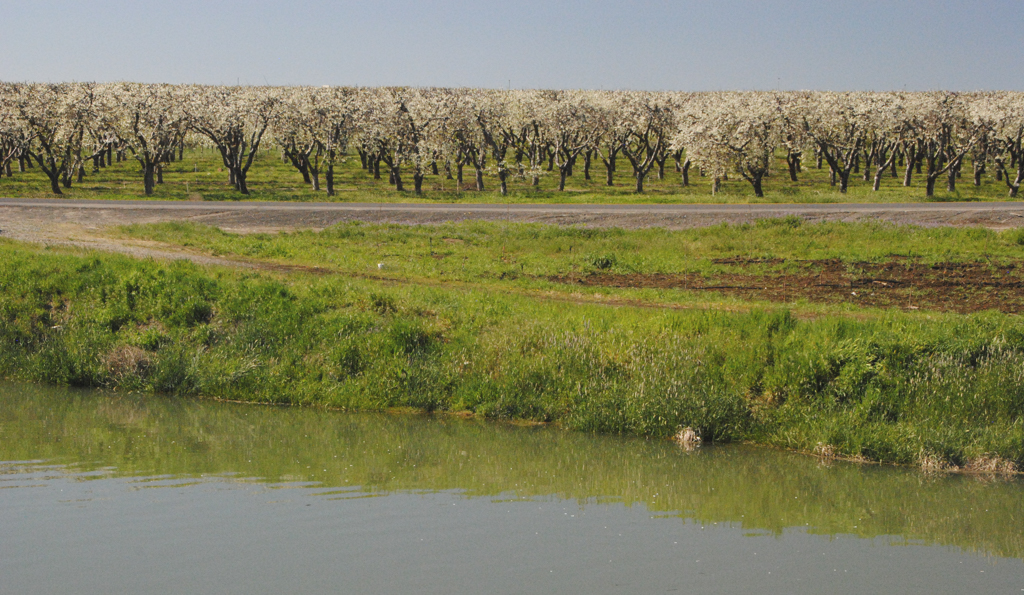
Across the road and along the irrigation canal was another orchard. Mt. Adams loomed to the west.

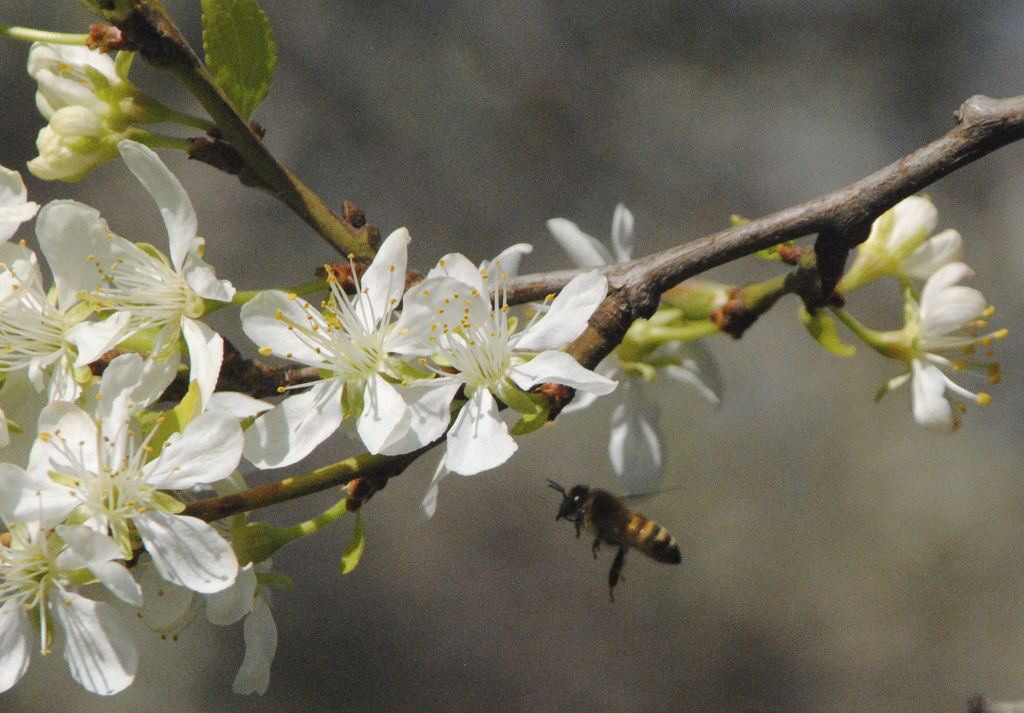
apple12apple3apple31apple15Upon close inspection of some blossoms, I noted that bees were happily buzzing from flower to flower. I wondered if the orchard owner had rented bees. I didn’t notice any hives, but I guessed that bees must be rented every year to apple18polliapple25nate all the trees.


Harvesting

When apples are harvested, they’re loaded into traditional wooden boxes, which hold 40 lbs. of fruit each. You can see these in big stacks here and there.apple11 On average, the state harvests 125 million boxes every year. Washington grows 6 out of every 10 apples eaten in the United States, and its apples are enjoyed in some 60 different countries.

DSC_1007

Though the varieties that we export are a paltry drop in the apple crate when you learn there are 7,500 varieties of apples grown around the world. Apples arrived in the new North American world with the colonists.

Apple History and Lore

Archeologists have determined that apples have been eaten as long ago as 8,500 years, according to the Washington Apple Commission. Apples are said to have originated in Central Asia millions of years ago. So Adam and Eve might not have been the first to indulge.

Various notions and legends about apples have been passed down through generations. “An apple a day keeps the doctor away.” We also say, “as American as apple pie.” Putting apples in a pie may be American, but now we know apples themselves are hardly American.

DSC_0986 - CopyWe have our folk hero, John Chapman, aka Johnny Appleseed, whom we imagine lived humbly, dressed shabbily and went barefoot, casting apple seeds everywhere he went. In fact, he was a nurseryman who collected seeds and raised trees.

apple30Crunchy, sweet and juicy.  Red, pink or yellow. The next time you bite into one of nature’s wonders, think of the growers who nurture their trees and the countless laborers who hand pick the fruit every year so you can enjoy it!

Art Gallery Honors

I have been honored to have photos included in two gallery exhibitions.

At the 1650 Gallery in Los Angeles, my photo, Chaplin’s Triangle, is included in the show, What’s New Pussycat.

Joan Miller_Chaplins Triangle

You can view the show here:

http://1650gallery.com/pussycat2016_show.php

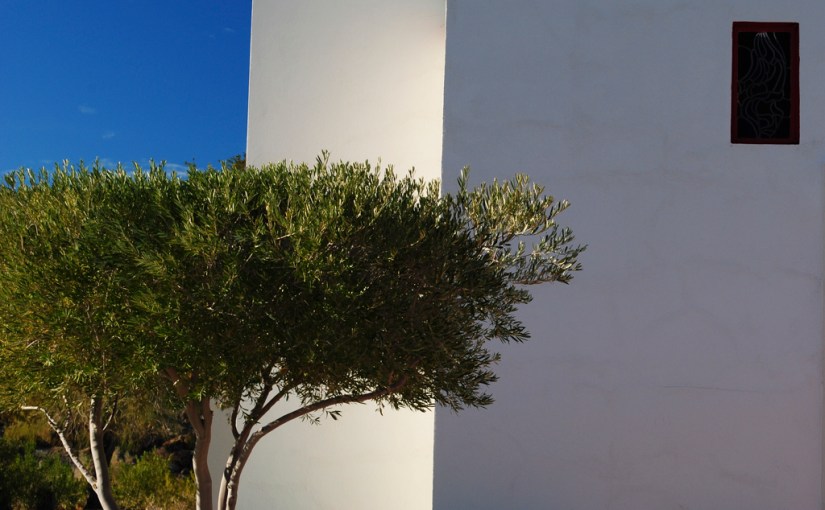
My photo, St. Richard, is included in the Black Box Gallery show Light and Shadow, currently on view in Portland, Oregon. This is a detail of the beautiful Spanish Mission-style St. Richard Catholic Church in Borrego Springs, California.

Joan_Miller1

You can view the show here:

http://blackboxgallery.com/Focus-Light%20and%20Shadow-EP.html


Playful Art that Beckons You into the Desert

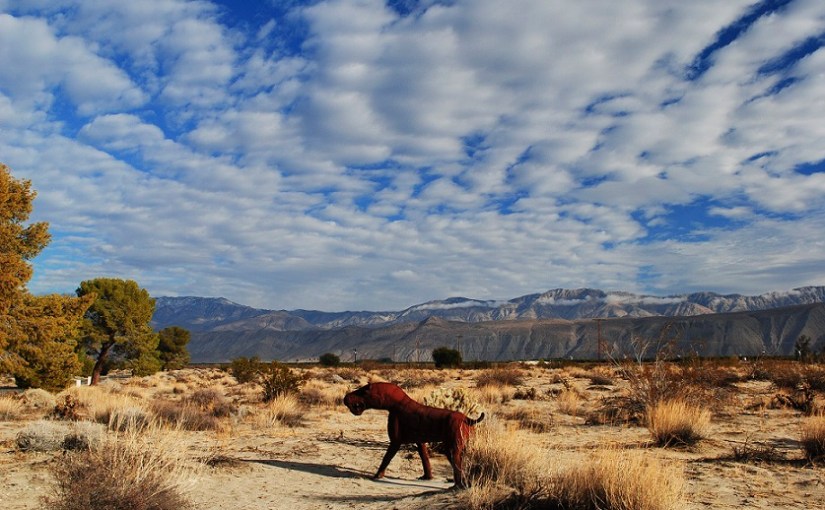
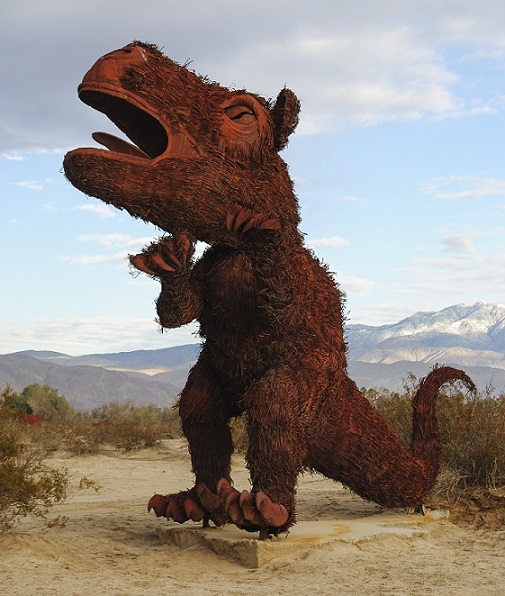
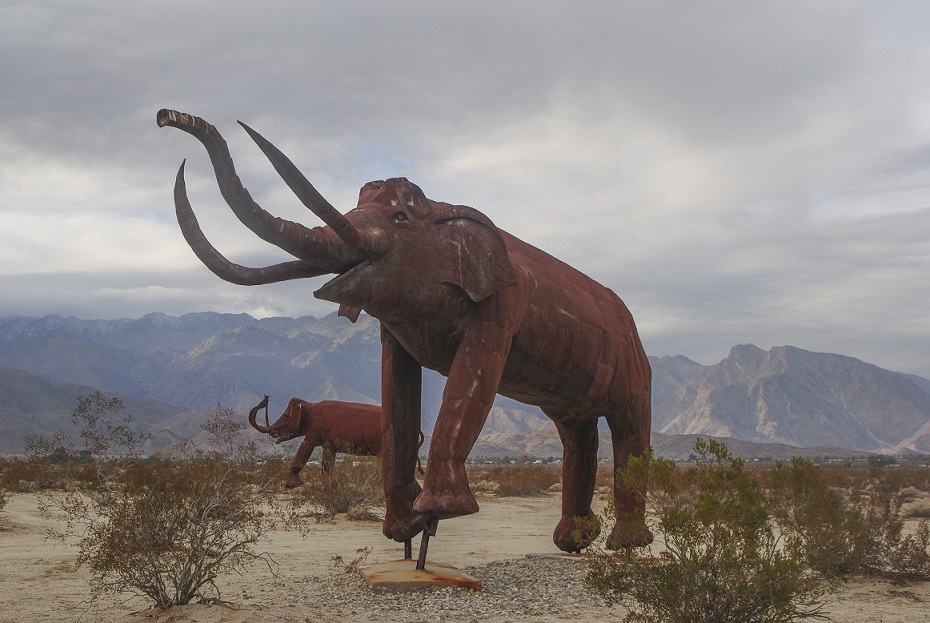
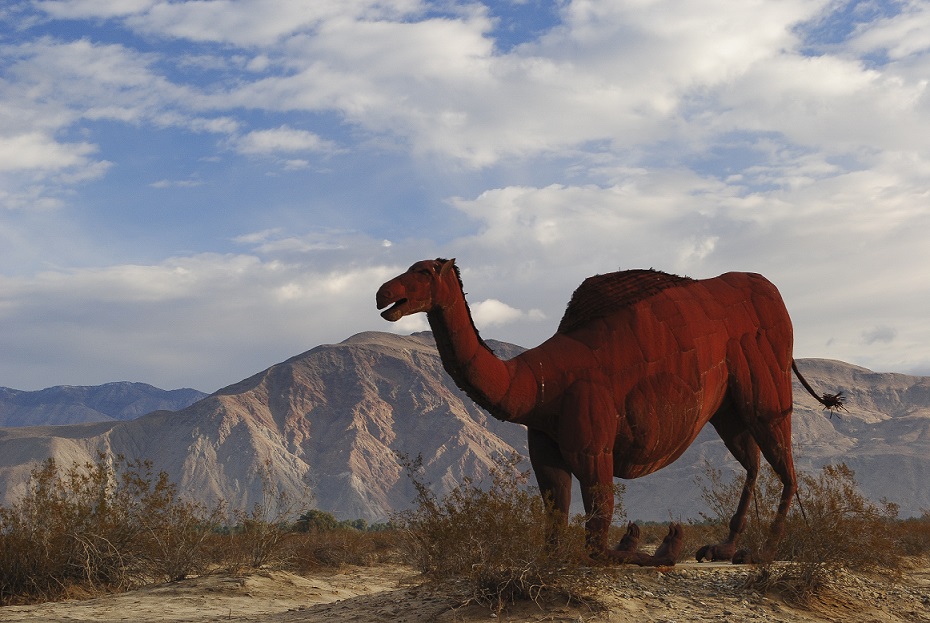
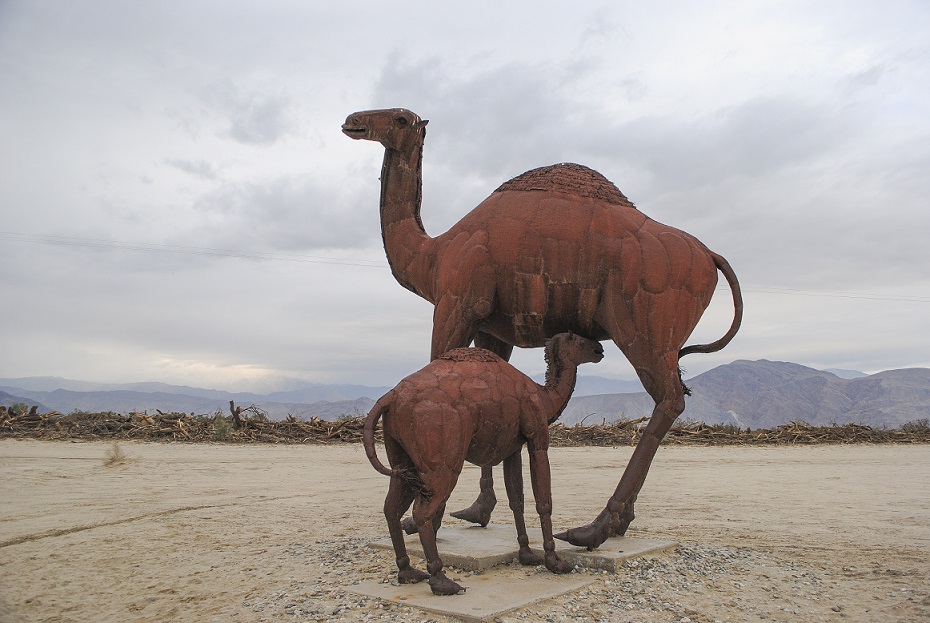
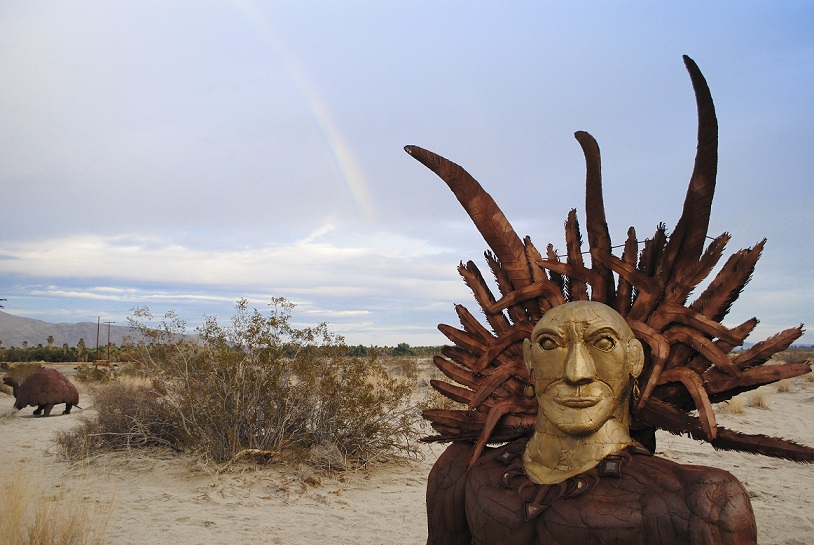
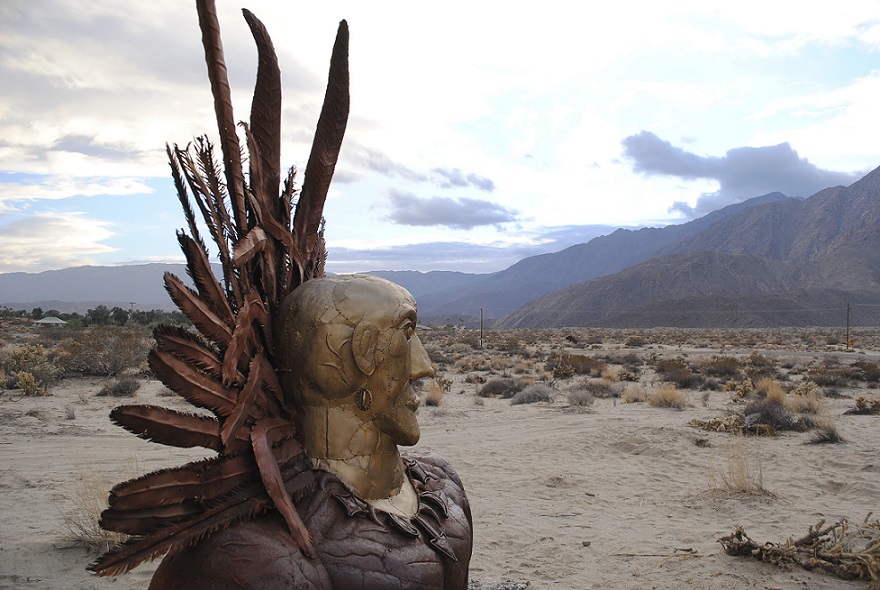
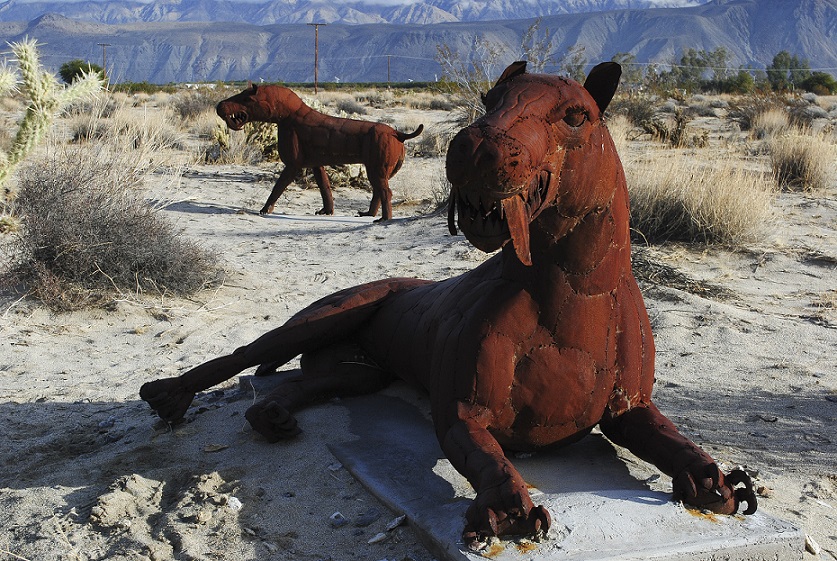
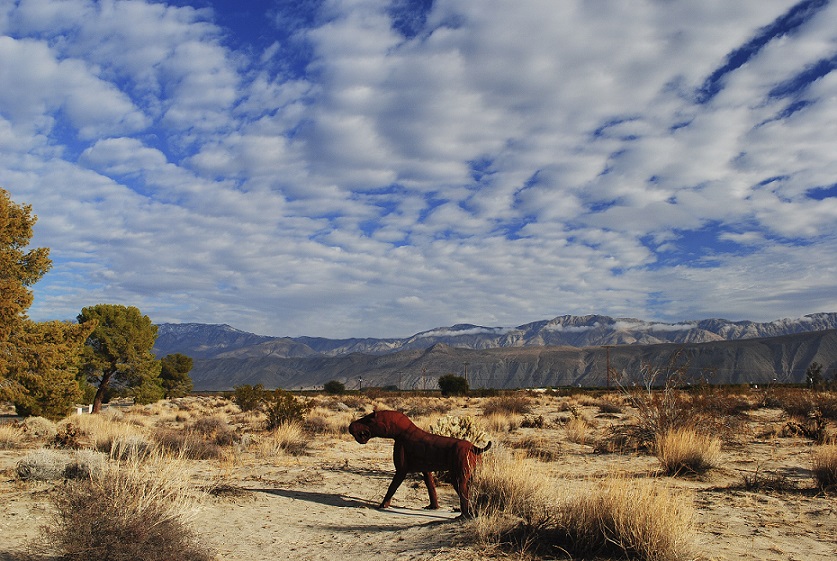
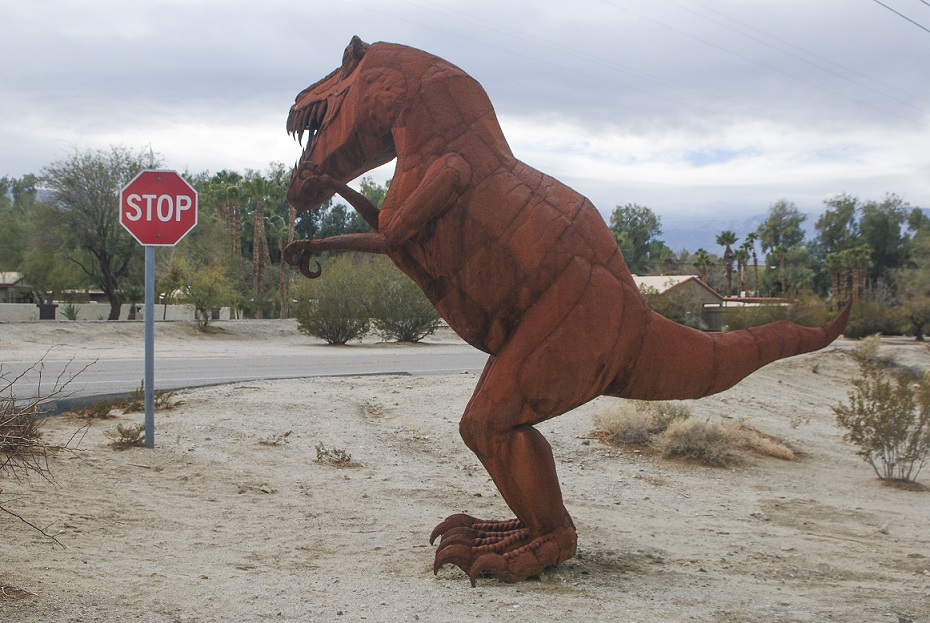
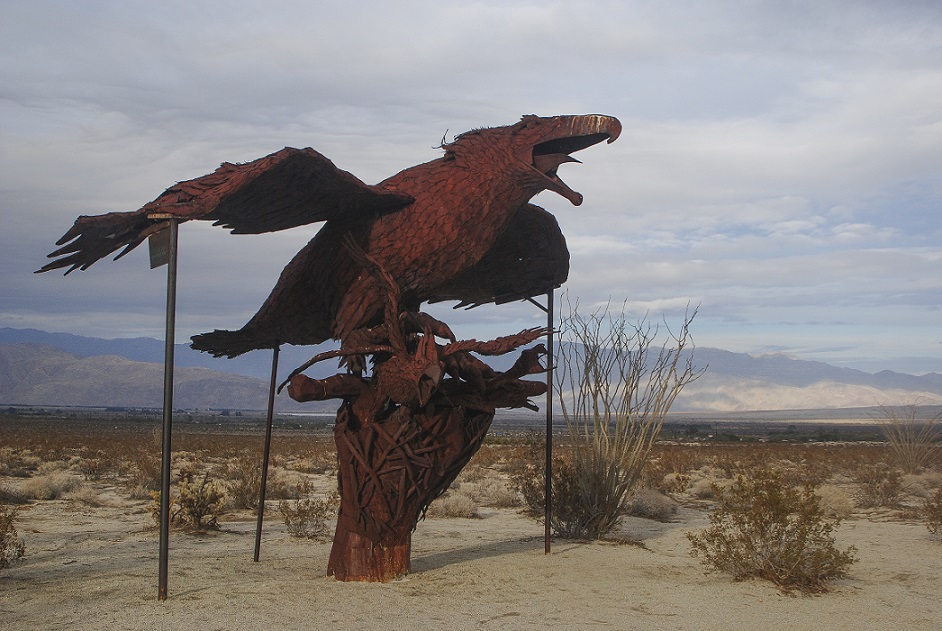
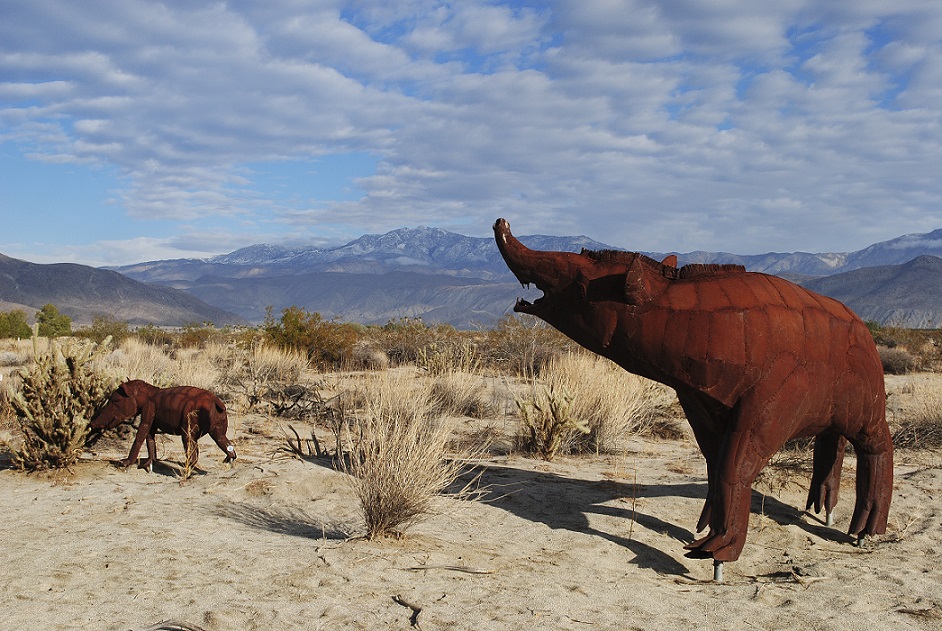
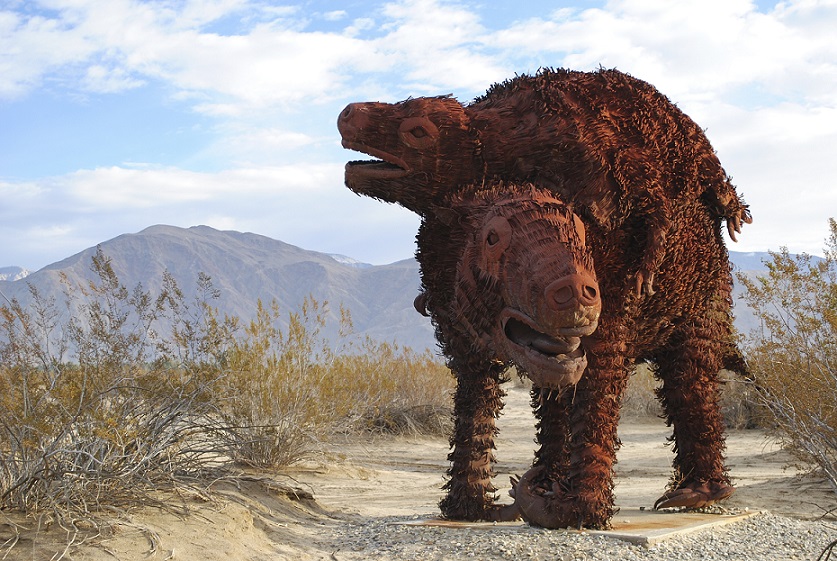
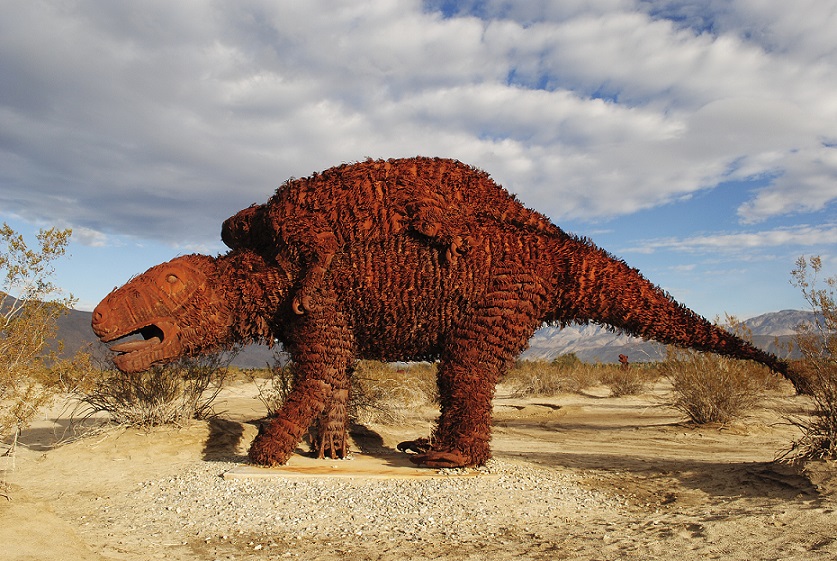
raptorThey’re scattered in the desert sand, a ways back from the road. Mostly, you’d never even notice them as you drive by. Woolly mammoths, sabertooth tigers, a serpent, dinosaurs, and a grasshopper and scorpion so large they must have escaped from a 1950s horror film.

insectsgrasshopperdino

In the Anza-Borrego Desert in southern California, you will find some 140 wild and fascinating creatures. But fear not, they are cast in metal and welcome you to approach. These fantastic larger-than-life sculptures are the creation of Ricardo Breceda. The story goes that he first made a dinosaur for his daughter. Afterward, he met up with the owner of Galleta Meadows Estates in Borrego Springs, Dennis Avery. Avery had had the idea of using hsignis land as an art gallery, so the two seemed destined to meet.

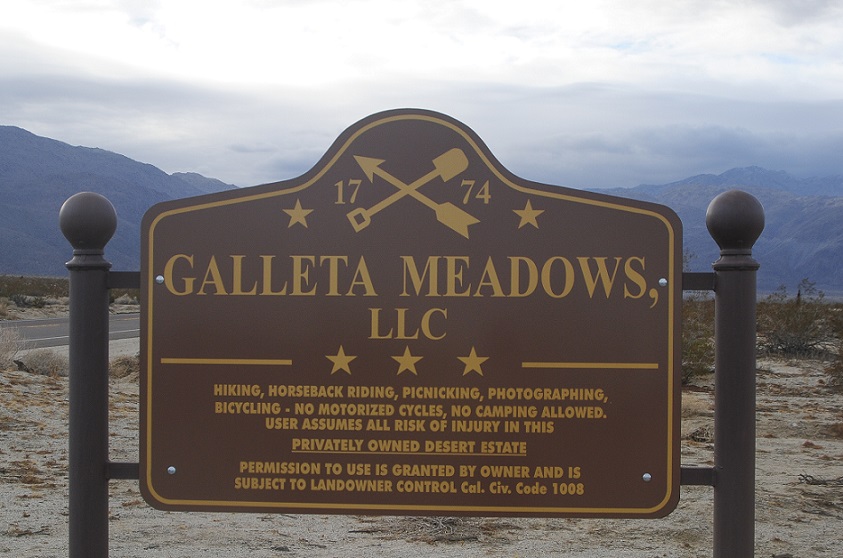
Visitors are welcomed to tour the Galleta Meadows Sky Art project and see the sculptures up close. Sculptures may not be the best way to describe them; statues or installations is probably more accurate.

eagleboars

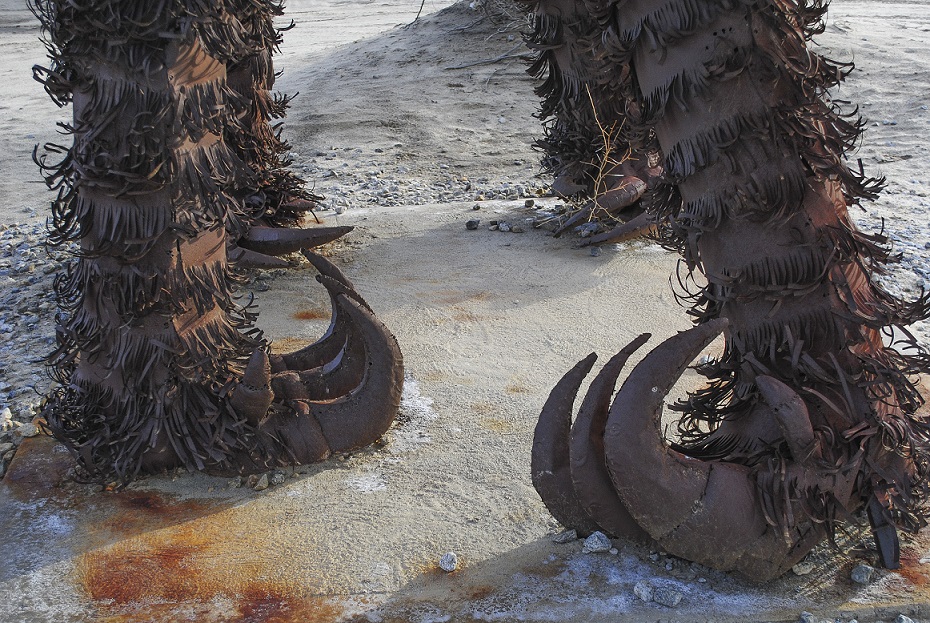
There are no fences around the artworks. You can touch them and walk all around. They are impressive. Each has unique textures and designs to the metal covering.

two dinostwo dinos2

claw feetInstallations include real and imaginary creatures, in addition to a few human figures, a cactus and a Jeep that’s attempting to scale some rocks.

It boggles the mind to think of the inspiration and labor that went into each.

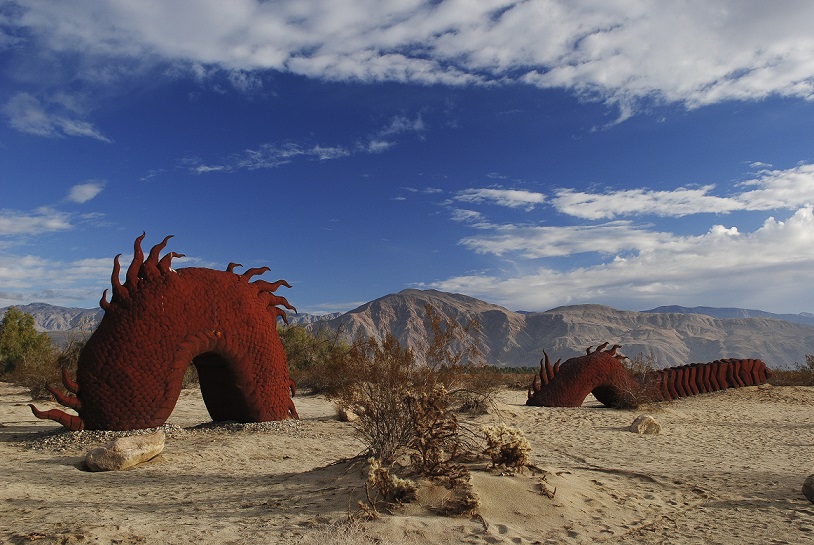
serpent frontserpent back


The road bisects a mythical serpent

Each stands silent and frozen in time. Though some seem to be crying out, perhaps their last gasp as their species died out. Others stare you down with cold, dark eyes that say, “You walk the earth now, but we too once roamed it, and now we are gone.”

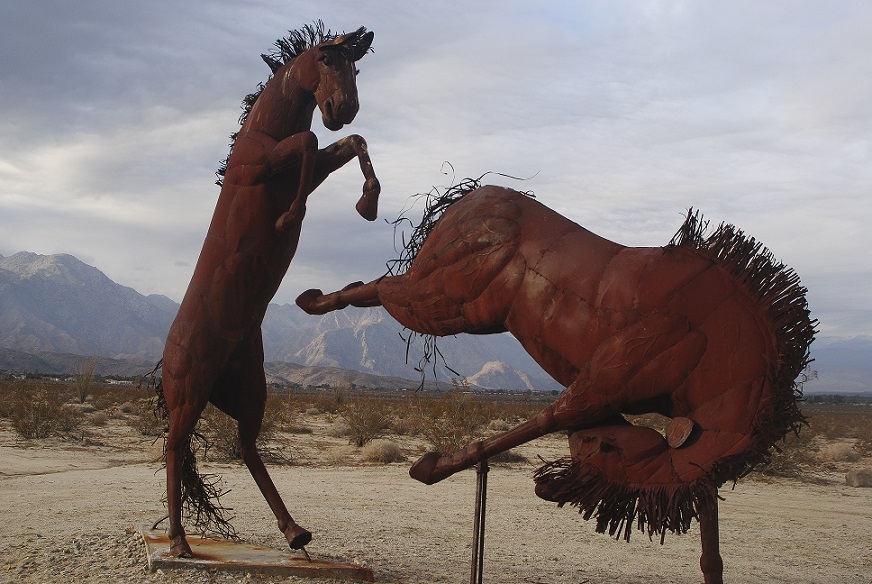
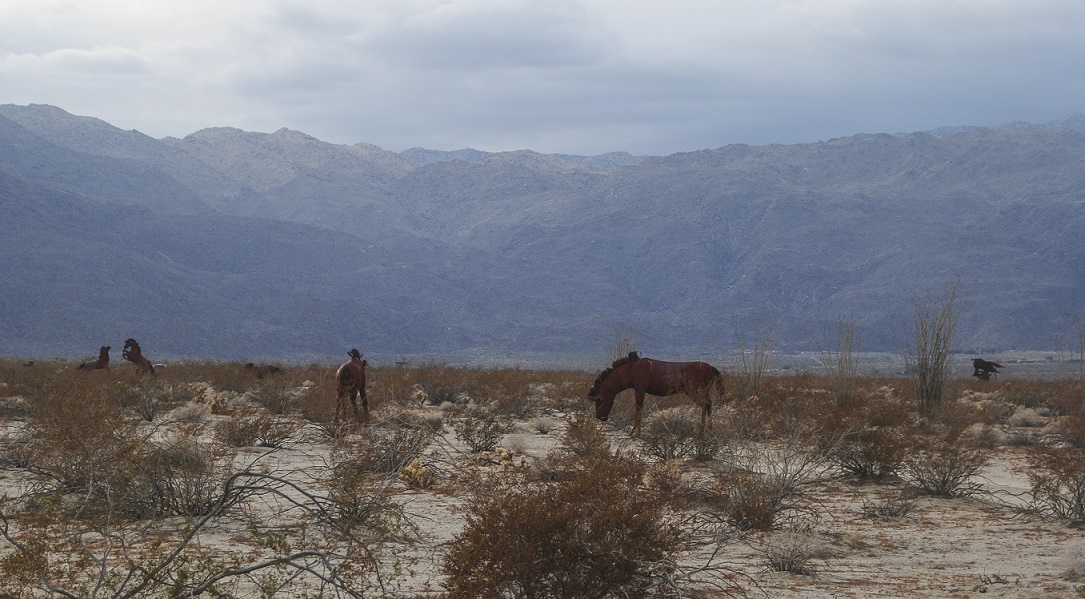
dino crymammoth1Wild horses, camels and tortoises remind us that they are imperiled; their homes under constant threat of development.

horses2horsescamelcamels

So, what is the point of the Sky Art project?

I think it goes beyond simple public art. Visitors can experience a variety of emotions.

For me, there were connections to the ancient earth and extinct creatures. The stark desert landscape seems a fitting site for them, silent and seemingly otherwise endlessly empty.

tortoises

rainbowhead2tiger

tiger2mammothsdino stop

feet


The Color Purple – Veggie Style

cauli2I’ve been toying with this fantasy for a while, off and on. What if I planted a vegetable garden based solely on color? After all, color figures largely in my flower garden.

With apologies to Kermit, it IS easy being green. Celery, broccoli, cabbage, lettuce, all green. String beans, peas, kale, chard, zucchini, Brussels sprouts, all green. What do most kids and many adults refuse to eat? Anything green!

Every year, when I plan my edible garden, I try to incorporate something different; something that I haven’t grown before. The old standards do well and I like them, but let’s face it. There’s a lot more to the fruits of this planet than what we eat all the time.

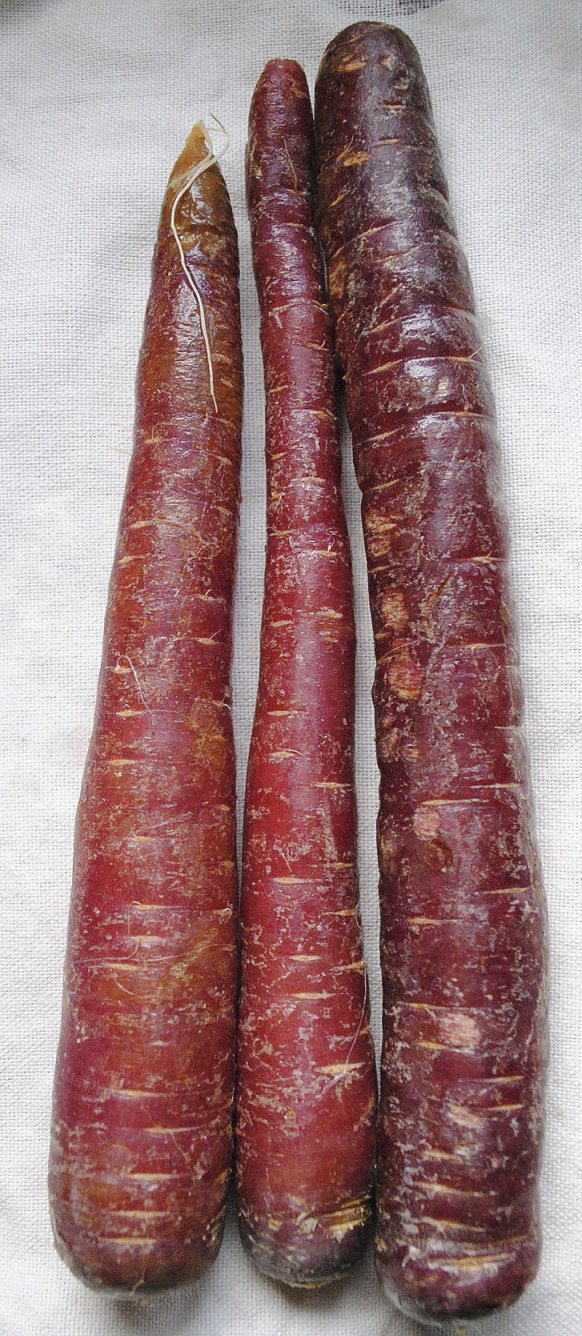
After just a little thought, I realized it wouldn’t be dcarrotsifficult  to create a one-color vegetable garden. I’m talking about the actual fruits of the plant. Fruits as in vegetables. Get it? For the most part, the leaves would still be green.

So I begin with purple. I made a list of every purple or nearly purple vegetable that I knew of. In some instances, a few might be called “red,” or some “red” vegetables are in fact more purple looking, so I have included them in my list. In the process, I discovered a few more, though I might have difficulty finding them in the store.

beetsBut seeds, that’s another story. All sorts of exotic seed sources exist. Seek and ye shall find.

That’s not to say that everything purple will grow in every region. Remember, it’s a fantasy garden.

Here’s a list of purple foods that exist in reality, and are possible to grow, somewhere, in no particular order:

Broccoli
Cauliflower

cauliCarrots
Beets
Onions (red)
String beans
Cabbage (red)

Kale

kale

Kohlrabi
Turnips
Eggplant
Potatoes
Sweet potatospudes

Radishes
Peppers
Corn


Asparagus
Garlic

Tomatoes

Radicchio


That’s a pretty full plate of veggies! And with a few surprises. I never knew there was purple asparagus, and I’ve seen many heirloom tomatoes, but I don’t recall coming across purple ones.

spud2The inside of a cooked purple sweet potato

Where does purple cauliflower get its color? The answer is anthocyanin, which contains flavonoid compounds. Purple cauliflower also contains glucoraphanin, a compound found in cruciferous vegetables. Both substances are said to fight cancer and are significantly lowered in value by cooking the cauliflower. I might have to rethink how I eat this vegetable!

I’ve eaten many foods on the list, including the potatoes, cabbage, kohlrabi, beets, beans, onions, carrots, kale and eggplant. I have to say that they all taste the same as other colors, but imagine the visual impact at a meal!

The next time you are in the grocery store, cruise the vegetable offerings with new eyes. I bet you will be amazed at how many foods you have never noticed. But they’re always there!

A Tale of Two Sisters

Sometimes it takes a few decades for something to come full circle.

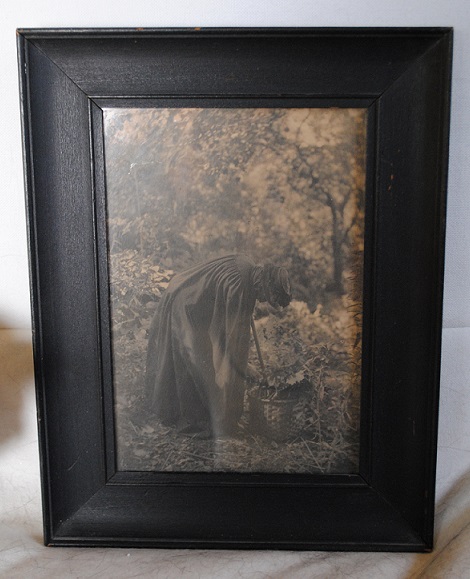
Back in the 1970s, I lived and worked in Connecticut. New England is a wonderful place to go antiquing and browse flea markets. It was at just such a market that I happened to spot an old photograph, leaning against something on the ground, not very visible, not looking very valuable. It was quite dark and had a black frame, so the overall look was very dark indeed.

The image was of an old woman stooping over and placing some plant material in a big basket. The setting appeared to be some woods. The back held an inscription:

DSC_0946

For years I wondered about the image. Was it truly a woman considered by the community to be a witch? after all, Deerfield was a hotbed during the heydays of witchcraft madness. Or was it just a model posing at one? Who were the Ray sisters? And who were Frances and Mary Allen?

Recently on a whim I decided to do some internet poking around to see what I could find. Instantly I turned up information about the Allen sisters, Frances and Mary, to whom my photo was attributed. How exciting! It’s so easy to play detective when you have the internet at your fingertips.

I read all about Frances and Mary, and their life and work in Old Deerfield, Massachusetts. I found an article from the New York Times that talked about them and their work, and a collection of Allen sisters photos in the Memorial Hall Museum in Deerfield.

These two talented, entrepreneurial women became quite successful in this medium at the turn of the twentieth century. They had been teachers, but began to suffer from hearing loss, and found interest, skill and financial security in photography. They received many awards for their photographs at various salons and exhibits, and their work was published in many periodicals. They made a good living from their art.

Here is an excellent website about The Allen sisters, with many of their images. http://www.cliohistory.org/exhibits/allen/

I quote from Suzanne Flynt on the website:

“In 1896, Frances and Mary Allen participated in the first American photography salon, the Washington Salon and Art Photographic Exhibition, sponsored by the Camera Club of the Capital Bicycle Club. Nine of their photographs appeared in this juried exhibition held at The Cosmos Club in Washington, D.C.; two received awards. The artistic photographs section, Class A, included 177 photographs; five were by the Allens. . . The second section, Class B, was devoted to photographs with excellent technical merits, and included 168 photographs. Frances and Mary were represented by four.”

In addition, Flynt writes, “the Smithsonian Institution “purchased fifty of the 345 photographs in the 1896 Washington Salon for their newly formed Division of Photographic History. Two Allen sisters’ photographs, Spring and Sybil, were acquired for $11.00 and $6.00 respectively.”

They caught the eye of Frances Benjamin Johnston, a noted photographer of the day, who was also the White House photographer for the Cleveland and McKinley administrations. She became a supporter and mentor for the two sisters.
I was riveted to the words and images on the Clio website, and searched for my image there. I did not find it, but found some similar images and knew I had the real thing.

I decided to contact the Memorial Hall Museum curator, Suzanne Flynt, to see whether the museum might like to have my piece in their collection. I had enjoyed the photo for decades and decided I could part with it. I emailed photos of the image to her, and she confirmed that the museum does not have this exact image. Good news! “The woman in the photograph is Miss Caroline Ray, who provided flowers to the Deerfield Church every Sunday,” noted Suzanne. Wow, another mystery solved!

The outcome: Suzanne would be pleased to have it, and I am pleased to donate it! Giving it to the museum seems like the right thing to do, to have it as part of the Allen sisters collection. I think Frances and Mary would be pleased.

DSC_0944

The Witch of Old Deerfield will be home at last.

Black Box Gallery Honor

selection.jpg-1

I am pleased to have my photo, Wind Farm, included in the Black Box Gallery’s January 2016 online exhibition, Landscape: Photography Now.

The photo also appears in the exhibition catalog. Here’s a link to the site.

http://blackboxgallery.com/Land-Photography%20Now-Annex%20Web/index.html


January 2016: A New Year!

I am honored to be chosen as a Featured Artist this month by the Urban Riche Gallery. See my profile and submitted work for the Urban Landscape exhibition at urbanriche.com.

Featured photos

Seattle Central Library
Seattle Afternoon Light

Miller2Illusion

Old and New
Old and New
Rock the Casbah
Rock the Kasbah


Standing still
Standing still

Fall Findings

DSC_0640 - CopyFall is here, though some days still have a surface feel of  summer.  Leaves are beginning to fall. Beautiful shades of maroon, gold, orange and yellow line some roads. Spiders and spider webs are everywhere, or maybe they’re just more visible now.

DSC_0665Fruits, meaning seeds, of various trees can be seen on the ground here and there.

Rosehips
Rosehips

I found some fruits of the Chinese chestnut at Me Kwa Mooks Park, near Puget Sound in West Seattle. I recognized them instantly because there was a similar tree where I worked in Maryland.

chestnut1Years ago when I found the seed pod, I thought it looked like a chestnut – all spiky. I couldn’t believe the huge tree was an American chestnut because the trees don’t live that long. American Chestnuts do still grow here, but because of the chestnut blight, a fungus that made its way to this country in 1904, the species doesn’t survive past a few years. They were a mainstay of the Appalachian forest ecosystem.
Twins
Twins

I researched the Maryland seed pod back then and finally discovered it was from a Chinese chestnut. Someone had planted the ornamental tree at the old homestead that predated our office building. It’s a good substitute for our American species, but it would be nice to have our old trees back. In fact, people are working hard to bring the American chestnut back. The American Chestnut Foundation is dedicated to restoring the species to our eastern forests. Researchers are breeding blight-resistant trees. It so happens that the Chinese chestnut is resistant to the blight, which originated in Asia, and the species makes an excellent donor of resistant genetic material.
Seed of the Chinese Chestnut
Seed of the Chinese chestnut

However, the Chinese tree does not have all the desirable characteristics of the American tree, such as a tall, straight growth habit. American chestnut is strong wood. It was popularly used for fences.

Cross-breeding is tremendously complex and takes years and years. The Foundation’s goal is to breed for resistance, while preserving the desired native traits of the American species. Inbreeding is even a problem for trees. Researchers are using genetic material from American chestnuts throughout their native range, from Maine to the Carolinas. It will take years of testing before they may finally be able to start replanting American chestnuts across the region. There is hope!

Gems in the soil

I was laying borders for a new flower garden in my front yard. I wanted to use long pieces of wood as the borders, but I ran into a lot of cedar tree roots on one side. I was not going to have to change my garden plan, and gave much thought to a solution. I finally decided to use bricks, which I could fit in between the roots, if I was lucky.

As I was digging the trench for the bricks, I spotted a mass of gelatinous beads, like crystal-colored caviar, in the dirt where a brick had covered it. I pulled it out for closer examination, and realized it must be eggs.

DSC_0532I wondered, whose eggs are these? They couldn’t be from salamanders or fish. They couldn’t be frog eggs. Hmmm, I had also seen two fat slugs when I lifted a brick. Could the eggs be slug eggs? It seemed like a good hypothesis. I couldn’t wait to look up slugs online. Bingo! Sure enough, there was a photograph of exactly the same kind of eggs. I had indeed found slug eggs. They take from 10 days to about a month to hatch.  I do not care for slugs, but I must say, the eggs were rather lovely. (I pulled them out of the dirt to photograph them and then put them back, though I’m not entirely sure why. We have enough slugs. It just seemed the ethical thing to do.)

I should note that I’m talking about our common dark-colored, non-native slugs, not our native banana slugs, which live in the woods and are not garden pests.

As I write this, a light bulb just went on in my head. Back in the spring, when I was preparing my vegetable garden, I had found some tiny orange balls on the soil. They reminded me of caviar. Something told me they could be eggs. There were singular ones scattered here and there. I couldn’t imagine what creature could have laid them there. I squished them and they popped. Now, after discovering the slug eggs, I am thinking the tiny orange ones were snail eggs! I have seen snails around, so I will assume they were snail eggs.

You never imagine the tiny things that live around us, until you start discovering them. I once found tiny toads in the grass, no bigger than my fingernail, in a park in Virginia. The tiniest things in the grass, far from any water, so I assume they were toads. How I spotted them, I don’t know. More reason to walk softly on the earth.

Sprouting marshmallows

Back in my back yard, I noticed a blob of white beneath one of my mock oranges. At first, I thought it was a dropped tissue. But when I knelt down I found it was a mushroom! And then I saw that there were bunches of them ringing my shrub.

DSC_0540In all my years at the house, I have never seen these mushrooms. They are low white orbs, in small clusters here and there.

DSC_0537I touched one; it was very soft. I found a couple small ones connected together lying on top of the soil, so I picked them up and inspected them.

DSC_0536They felt like marshmallows! Soft, fluffy and light as air. After some research, I identified them as gem-studded puffballs! They sprout from July-October. They are supposed to be edible, but I dare not try them. The mushrooms are the ‘fruits’ of the web of fungus on and beneath the soil. The mycelium can extend a long way through the soil, so no telling where the puffballs might appear.

Puffballs have the habit of releasing their spores in a puff of dust from a hole in the top.  Now that they’re in the soil, I will keep an eye out to see whether they reappear next year.